Birdr

Olive Spinetail vs Brown Cacholote

Cranioleuca obsoleta versus Pseudoseisura lophotes

Play a quiz with Olive Spinetail and Brown Cacholote
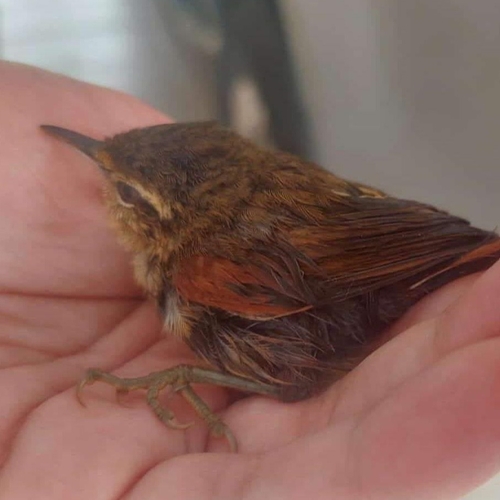
Olive Spinetail (Cranioleuca obsoleta) Olive Spinetail
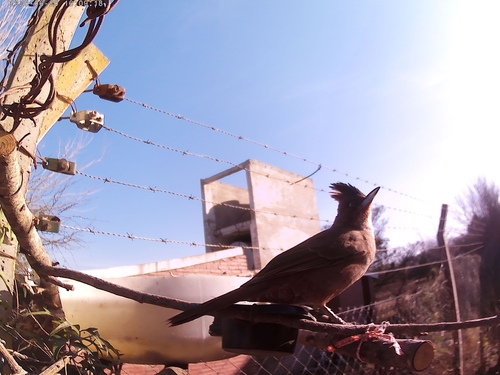
Brown Cacholote (Pseudoseisura lophotes) Brown Cacholote

Media

Loading…

In short

The Olive Spinetail and Brown Cacholote are both members of the ovenbird family, but they differ significantly in size and behavior. The Brown Cacholote is larger, with a prominent crest and a raucous personality, while the Olive Spinetail is more subdued in both appearance and demeanor.

Identification tips

Look for size and crest: The Brown Cacholote is larger with a prominent crest. Check plumage color: Rich chestnut and rufous in the Brown Cacholote vs. olive-brown in the Olive Spinetail. Observe behavior: Brown Cacholote is more likely to be seen on the ground or carrying sticks, while the Olive Spinetail is more arboreal. Listen for vocalizations: The Brown Cacholote is loud and raucous.

Size

The Brown Cacholote is noticeably larger than the Olive Spinetail, with a body size comparable to a thrush.

Plumage

The Olive Spinetail has a more uniform olive-brown plumage, whereas the Brown Cacholote displays rich chestnut and bright rufous tones, especially on its crest and wings.

Behaviour

The Brown Cacholote is known for its loud and raucous behavior, often seen carrying large sticks for its nest, and it tends to run on the ground rather than fly when approached. The Olive Spinetail is less conspicuous, typically moving through foliage more subtly.

Habitat

The Brown Cacholote is found in dry scrub and woodland areas from southern Bolivia to northern Patagonia. The Olive Spinetail prefers forested habitats, often in more humid environments.

Voice

The Brown Cacholote is described as having a loud, cacophonous voice, while the Olive Spinetail's vocalizations are less documented but generally quieter.

Submit a better description

Use the same sections as the comparison. Your text is published immediately.

The Olive Spinetail and Brown Cacholote are both members of the ovenbird family, but they differ significantly in size and behavior. The Brown Cacholote is larger, with a prominent crest and a raucous personality, while the Olive Spinetail is more subdued in both appearance and demeanor.

Look for size and crest: The Brown Cacholote is larger with a prominent crest. Check plumage color: Rich chestnut and rufous in the Brown Cacholote vs. olive-brown in the Olive Spinetail. Observe behavior: Brown Cacholote is more likely to be seen on the ground or carrying sticks, while the Olive Spinetail is more arboreal. Listen for vocalizations: The Brown Cacholote is loud and raucous.

The Brown Cacholote is noticeably larger than the Olive Spinetail, with a body size comparable to a thrush.

The Olive Spinetail has a more uniform olive-brown plumage, whereas the Brown Cacholote displays rich chestnut and bright rufous tones, especially on its crest and wings.

The Brown Cacholote is known for its loud and raucous behavior, often seen carrying large sticks for its nest, and it tends to run on the ground rather than fly when approached. The Olive Spinetail is less conspicuous, typically moving through foliage more subtly.

The Brown Cacholote is found in dry scrub and woodland areas from southern Bolivia to northern Patagonia. The Olive Spinetail prefers forested habitats, often in more humid environments.

The Brown Cacholote is described as having a loud, cacophonous voice, while the Olive Spinetail's vocalizations are less documented but generally quieter.

Discard your changes?

You have unsaved edits. If you leave now, those changes will be lost.

Olive Spinetail · Brown Cacholote · My Tricky Birds