Birdr

Olive Spinetail vs Rufous Cacholote

Cranioleuca obsoleta versus Pseudoseisura unirufa

Play a quiz with Olive Spinetail and Rufous Cacholote
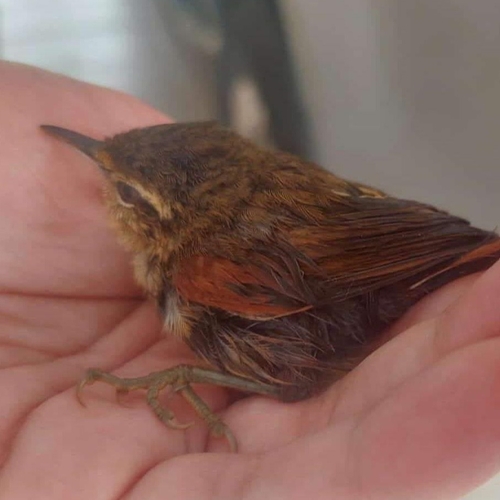
Olive Spinetail (Cranioleuca obsoleta) Olive Spinetail
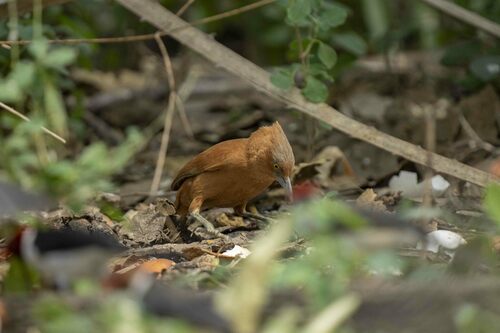
Rufous Cacholote (Pseudoseisura unirufa) Rufous Cacholote

Media

Loading…

In short

The Olive Spinetail and Rufous Cacholote are both members of the Furnariidae family, but they differ significantly in size and coloration. The Olive Spinetail is smaller and more subtly colored, while the Rufous Cacholote is larger and exhibits a more vibrant rufous plumage.

Identification tips

1. Size and Bulk: Look for the larger size and bulkier build of the Rufous Cacholote. 2. Plumage Color: Note the rich rufous color of the Cacholote compared to the more muted olive tones of the Spinetail. 3. Habitat Preference: Consider the habitat; Rufous Cacholotes are more likely in dry areas, while Olive Spinetails prefer moist forests. 4. Vocalizations: Listen for the harsh calls of the Rufous Cacholote, which can help distinguish it from the quieter Olive Spinetail.

Size

The Olive Spinetail is smaller and more slender compared to the larger and bulkier Rufous Cacholote.

Plumage

The Olive Spinetail has an olive-brown plumage with a more muted appearance, whereas the Rufous Cacholote is characterized by its rich rufous coloration throughout.

Behaviour

Both species are active and often seen foraging in foliage, but the Rufous Cacholote is more likely to be seen in pairs or small family groups.

Habitat

The Olive Spinetail is typically found in subtropical or tropical moist lowland forests, while the Rufous Cacholote prefers dry forests and scrubby areas.

Voice

The Rufous Cacholote has a loud, harsh call that is quite distinct, whereas the Olive Spinetail's vocalizations are less prominent and more subdued.

Submit a better description

Use the same sections as the comparison. Your text is published immediately.

The Olive Spinetail and Rufous Cacholote are both members of the Furnariidae family, but they differ significantly in size and coloration. The Olive Spinetail is smaller and more subtly colored, while the Rufous Cacholote is larger and exhibits a more vibrant rufous plumage.

1. Size and Bulk: Look for the larger size and bulkier build of the Rufous Cacholote. 2. Plumage Color: Note the rich rufous color of the Cacholote compared to the more muted olive tones of the Spinetail. 3. Habitat Preference: Consider the habitat; Rufous Cacholotes are more likely in dry areas, while Olive Spinetails prefer moist forests. 4. Vocalizations: Listen for the harsh calls of the Rufous Cacholote, which can help distinguish it from the quieter Olive Spinetail.

The Olive Spinetail is smaller and more slender compared to the larger and bulkier Rufous Cacholote.

The Olive Spinetail has an olive-brown plumage with a more muted appearance, whereas the Rufous Cacholote is characterized by its rich rufous coloration throughout.

Both species are active and often seen foraging in foliage, but the Rufous Cacholote is more likely to be seen in pairs or small family groups.

The Olive Spinetail is typically found in subtropical or tropical moist lowland forests, while the Rufous Cacholote prefers dry forests and scrubby areas.

The Rufous Cacholote has a loud, harsh call that is quite distinct, whereas the Olive Spinetail's vocalizations are less prominent and more subdued.

Discard your changes?

You have unsaved edits. If you leave now, those changes will be lost.

Olive Spinetail · Rufous Cacholote · My Tricky Birds