Birdr

Olive-tree Warbler vs Great Reed Warbler

Hippolais olivetorum versus Acrocephalus arundinaceus

Play a quiz with Olive-tree Warbler and Great Reed Warbler
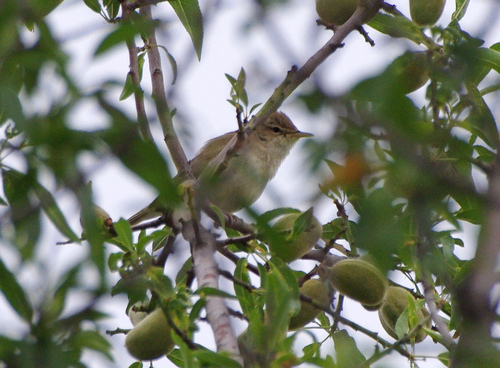
Olive-tree Warbler (Hippolais olivetorum) Olive-tree Warbler
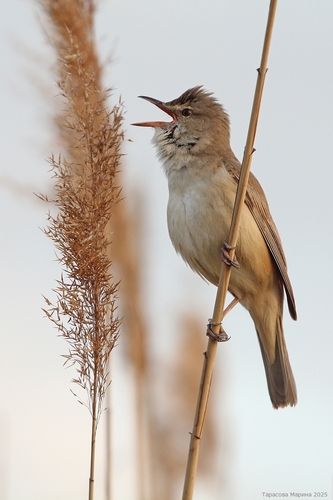
Great Reed Warbler (Acrocephalus arundinaceus) Great Reed Warbler

Media

Loading…

In short

The Olive-tree Warbler and the Great Reed Warbler are both large warblers, but they can be distinguished by size and habitat preference. The Olive-tree Warbler is smaller and typically found in drier, scrubby habitats, while the Great Reed Warbler is larger and prefers reed beds. Vocalizations are also a key differentiator, with the Great Reed Warbler having a louder and more varied song.

Identification tips

1. Size and Structure: The Great Reed Warbler is noticeably larger with a bulkier build. 2. Habitat: Look for Olive-tree Warblers in drier, bushy areas, and Great Reed Warblers in reed beds. 3. Song: Listen for the Great Reed Warbler's loud, varied song compared to the Olive-tree Warbler's quieter song. 4. Plumage: Note the Olive-tree Warbler's more uniform grey-brown plumage versus the slightly rufous tones in the Great Reed Warbler.

Size

The Olive-tree Warbler is smaller than the Great Reed Warbler, which is one of the largest warblers.

Plumage

Both species have generally plain plumage, but the Olive-tree Warbler has a more uniform grey-brown coloration, while the Great Reed Warbler may appear slightly more rufous, especially on the wings.

Behaviour

The Olive-tree Warbler is more likely to be seen in trees and bushes, often moving restlessly, while the Great Reed Warbler is typically found clambering through reeds.

Habitat

Olive-tree Warblers prefer dry, open woodlands and scrub, whereas Great Reed Warblers are almost exclusively found in reed beds and wetlands.

Voice

The Great Reed Warbler has a loud, harsh, and varied song, often delivered from a prominent perch. The Olive-tree Warbler's song is less powerful and more subdued.

Submit a better description

Use the same sections as the comparison. Your text is published immediately.

The Olive-tree Warbler and the Great Reed Warbler are both large warblers, but they can be distinguished by size and habitat preference. The Olive-tree Warbler is smaller and typically found in drier, scrubby habitats, while the Great Reed Warbler is larger and prefers reed beds. Vocalizations are also a key differentiator, with the Great Reed Warbler having a louder and more varied song.

1. Size and Structure: The Great Reed Warbler is noticeably larger with a bulkier build. 2. Habitat: Look for Olive-tree Warblers in drier, bushy areas, and Great Reed Warblers in reed beds. 3. Song: Listen for the Great Reed Warbler's loud, varied song compared to the Olive-tree Warbler's quieter song. 4. Plumage: Note the Olive-tree Warbler's more uniform grey-brown plumage versus the slightly rufous tones in the Great Reed Warbler.

The Olive-tree Warbler is smaller than the Great Reed Warbler, which is one of the largest warblers.

Both species have generally plain plumage, but the Olive-tree Warbler has a more uniform grey-brown coloration, while the Great Reed Warbler may appear slightly more rufous, especially on the wings.

The Olive-tree Warbler is more likely to be seen in trees and bushes, often moving restlessly, while the Great Reed Warbler is typically found clambering through reeds.

Olive-tree Warblers prefer dry, open woodlands and scrub, whereas Great Reed Warblers are almost exclusively found in reed beds and wetlands.

The Great Reed Warbler has a loud, harsh, and varied song, often delivered from a prominent perch. The Olive-tree Warbler's song is less powerful and more subdued.

Discard your changes?

You have unsaved edits. If you leave now, those changes will be lost.

Olive-tree Warbler · Great Reed Warbler · My Tricky Birds