Birdr

Omao vs Puaiohi

Myadestes obscurus versus Myadestes palmeri

Play a quiz with Omao and Puaiohi
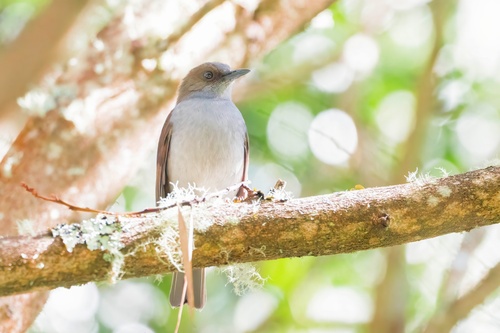
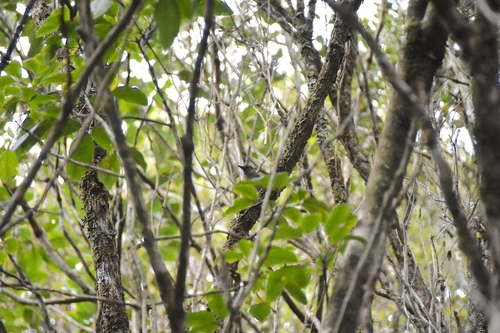
Omao (Myadestes obscurus) Omao
Puaiohi (Myadestes palmeri) Puaiohi

Media

Loading…

In short

The Omao and Puaiohi are both Hawaiian thrushes with subtle differences. The Omao is found on the island of Hawai'i, while the Puaiohi is endemic to Kaua'i. Key differences include tail length and habitat preferences.

Identification tips

  1. Location: Omao on Hawai'i, Puaiohi on Kaua'i. 2. Tail Length: Look for the longer tail of the Puaiohi. 3. Vocalization: Listen for the Puaiohi's distinctive song, which its name mimics.

Size

Both species are similar in size, but the Puaiohi is often referred to as a 'long-tailed thrush,' suggesting a relatively longer tail compared to the Omao.

Plumage

Both species have drab olive-brown and gray plumage, typical of Hawaiian thrushes. There are no significant plumage differences noted between the two.

Behaviour

Behavioral differences are not well-documented, but both species exhibit typical thrush behaviors. The Puaiohi's unique status as a species was recognized early due to its distinct behavior.

Habitat

The Omao is found in forested areas above 1,000 m on Hawai'i, while the Puaiohi inhabits similar forested environments on Kaua'i. The Omao's range is less than 30% of its former extent.

Voice

Vocalizations are not well-documented for field differentiation. The Puaiohi's name is an onomatopoeia for its song, which may aid in identification.

Submit a better description

Use the same sections as the comparison. Your text is published immediately.

The Omao and Puaiohi are both Hawaiian thrushes with subtle differences. The Omao is found on the island of Hawai'i, while the Puaiohi is endemic to Kaua'i. Key differences include tail length and habitat preferences.

  1. Location: Omao on Hawai'i, Puaiohi on Kaua'i. 2. Tail Length: Look for the longer tail of the Puaiohi. 3. Vocalization: Listen for the Puaiohi's distinctive song, which its name mimics.

Both species are similar in size, but the Puaiohi is often referred to as a 'long-tailed thrush,' suggesting a relatively longer tail compared to the Omao.

Both species have drab olive-brown and gray plumage, typical of Hawaiian thrushes. There are no significant plumage differences noted between the two.

Behavioral differences are not well-documented, but both species exhibit typical thrush behaviors. The Puaiohi's unique status as a species was recognized early due to its distinct behavior.

The Omao is found in forested areas above 1,000 m on Hawai'i, while the Puaiohi inhabits similar forested environments on Kaua'i. The Omao's range is less than 30% of its former extent.

Vocalizations are not well-documented for field differentiation. The Puaiohi's name is an onomatopoeia for its song, which may aid in identification.

Discard your changes?

You have unsaved edits. If you leave now, those changes will be lost.

Omao · Puaiohi · My Tricky Birds