Birdr

Oriental Reed Warbler vs Clamorous Reed Warbler

Acrocephalus orientalis versus Acrocephalus stentoreus

Play a quiz with Oriental Reed Warbler and Clamorous Reed Warbler
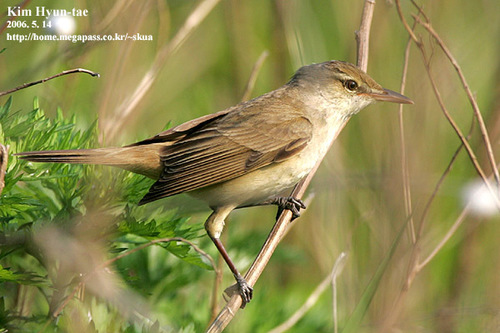
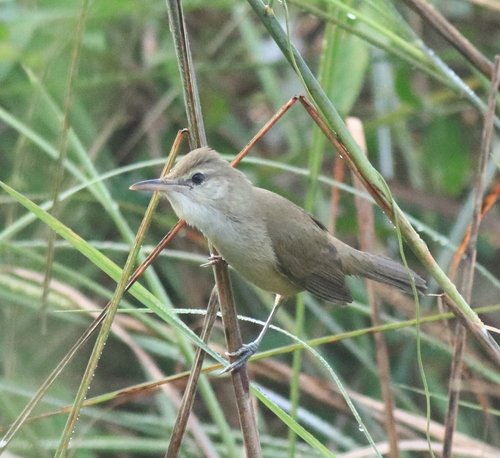
Oriental Reed Warbler (Acrocephalus orientalis) Oriental Reed Warbler
Clamorous Reed Warbler (Acrocephalus stentoreus) Clamorous Reed Warbler

Media

Loading…

In short

The Oriental Reed Warbler and Clamorous Reed Warbler are similar in appearance but can be distinguished by subtle differences in structure and vocalization. Both inhabit reed beds, but their songs and slight plumage variations help in identification.

Identification tips

  1. Listen for vocal differences: The Clamorous Reed Warbler's song is louder and more repetitive. 2. Observe plumage tones: Look for the slightly more olive-brown tone in the Oriental Reed Warbler. 3. Note structural features: Subtle differences in bill shape and primary projection may assist in identification. 4. Consider location and overlap: Where ranges overlap, rely more on vocal and subtle plumage differences.

Size

Both species are similar in size, making structural differences more important for identification.

Plumage

Both species have brown upperparts and paler underparts, but the Oriental Reed Warbler tends to have a slightly more olive-brown tone, while the Clamorous Reed Warbler may appear more uniformly brown.

Behaviour

Both species exhibit similar behaviors, often seen skulking in dense reed beds and occasionally perching conspicuously.

Habitat

Both species prefer reed beds and similar wetland habitats, often overlapping in range, which makes habitat a less reliable distinguishing factor.

Voice

The Clamorous Reed Warbler has a louder, more repetitive song compared to the Oriental Reed Warbler, which can be softer and more varied. Listening for these differences can be crucial in distinguishing them.

Submit a better description

Use the same sections as the comparison. Your text is published immediately.

The Oriental Reed Warbler and Clamorous Reed Warbler are similar in appearance but can be distinguished by subtle differences in structure and vocalization. Both inhabit reed beds, but their songs and slight plumage variations help in identification.

  1. Listen for vocal differences: The Clamorous Reed Warbler's song is louder and more repetitive. 2. Observe plumage tones: Look for the slightly more olive-brown tone in the Oriental Reed Warbler. 3. Note structural features: Subtle differences in bill shape and primary projection may assist in identification. 4. Consider location and overlap: Where ranges overlap, rely more on vocal and subtle plumage differences.

Both species are similar in size, making structural differences more important for identification.

Both species have brown upperparts and paler underparts, but the Oriental Reed Warbler tends to have a slightly more olive-brown tone, while the Clamorous Reed Warbler may appear more uniformly brown.

Both species exhibit similar behaviors, often seen skulking in dense reed beds and occasionally perching conspicuously.

Both species prefer reed beds and similar wetland habitats, often overlapping in range, which makes habitat a less reliable distinguishing factor.

The Clamorous Reed Warbler has a louder, more repetitive song compared to the Oriental Reed Warbler, which can be softer and more varied. Listening for these differences can be crucial in distinguishing them.

Discard your changes?

You have unsaved edits. If you leave now, those changes will be lost.

Oriental Reed Warbler · Clamorous Reed Warbler · My Tricky Birds