Oriental Scops Owl vs Western Screech-Owl
Otus sunia versus Megascops kennicottii
Play a quiz with Oriental Scops Owl and Western Screech-Owl
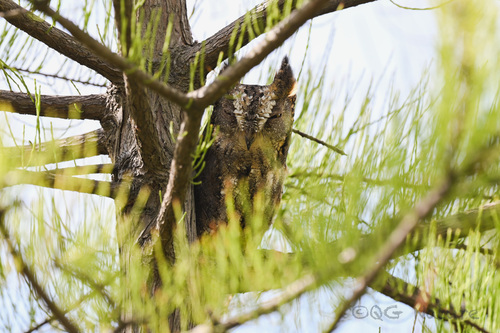
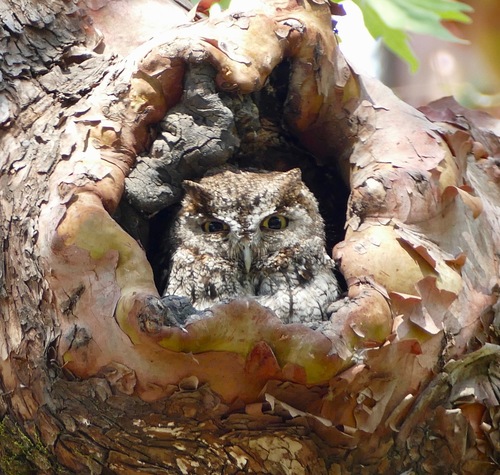
Oriental Scops Owl
Western Screech-Owl
In short
The Oriental Scops Owl and Western Screech-Owl are both small, nocturnal owls with similar overall appearances, but they can be distinguished by their range and vocalizations. The Oriental Scops Owl is found in Asia, while the Western Screech-Owl is native to North America. Their calls are notably different, with the Oriental Scops Owl having a more musical, trilling call compared to the Western Screech-Owl's series of short, accelerating hoots.
Identification tips
- Location: Check the geographic range; Oriental Scops Owl in Asia, Western Screech-Owl in North America.
- Vocalizations: Listen for the Oriental Scops Owl's musical trill versus the Western Screech-Owl's accelerating hoots.
- Plumage: Note any rufous tones for Oriental Scops Owl, though this can be variable.
- Habitat: Consider the habitat type; Oriental Scops Owl prefers mixed forests, while Western Screech-Owl is often near human areas.
Size
Both species are small owls, but the Western Screech-Owl is slightly larger on average.
Plumage
Both owls have cryptic plumage with mottled brown and gray patterns. The Oriental Scops Owl may show more rufous tones, while the Western Screech-Owl can have more grayish tones. However, plumage color can vary widely within each species.
Behaviour
Both species are primarily nocturnal and roost in tree cavities during the day. They are both known for their secretive nature.
Habitat
The Oriental Scops Owl inhabits a variety of wooded habitats in Asia, including deciduous and mixed forests. The Western Screech-Owl is found in a range of habitats in North America, from arid woodlands to riparian deciduous forests, often near human settlements.
Voice
The Oriental Scops Owl has a musical, trilling call, while the Western Screech-Owl produces a series of short, accelerating hoots. These vocal differences are a reliable way to distinguish the two species.