Birdr

Pacific Imperial-Pigeon vs White-rumped Swiftlet

Ducula pacifica versus Aerodramus spodiopygius

Play a quiz with Pacific Imperial-Pigeon and White-rumped Swiftlet
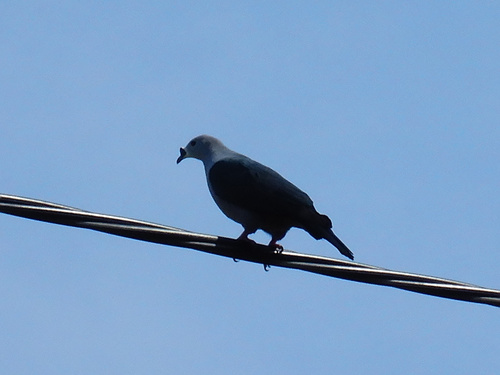
Pacific Imperial-Pigeon (Ducula pacifica) Pacific Imperial-Pigeon
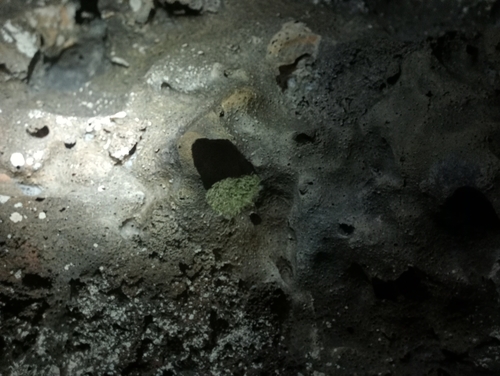
White-rumped Swiftlet (Aerodramus spodiopygius) White-rumped Swiftlet

Media

Loading…

In short

The Pacific Imperial-Pigeon and the White-rumped Swiftlet are easily distinguishable by their size and flight patterns. The pigeon is much larger and has a more robust body, while the swiftlet is small and agile with a swift-like flight. Their habitats also differ significantly, with the pigeon favoring forests and the swiftlet often seen in open skies.

Identification tips

  1. Size and Shape: Look for the large, robust body of the pigeon versus the small, slender shape of the swiftlet. 2. Flight Pattern: Observe the slow, deliberate flight of the pigeon compared to the rapid, agile flight of the swiftlet. 3. Plumage: Note the white rump of the swiftlet, especially visible in flight. 4. Habitat: Consider the environment; pigeons are more likely in forested areas, while swiftlets are seen in open skies.

Size

The Pacific Imperial-Pigeon is significantly larger, with a robust body typical of pigeons, while the White-rumped Swiftlet is small and slender, resembling other swifts.

Plumage

The pigeon has a mostly gray plumage with a paler belly, while the swiftlet is dark overall with a distinctive white rump that is visible in flight.

Behaviour

Pacific Imperial-Pigeons are often seen perched in trees or flying with slow, deliberate wingbeats. In contrast, White-rumped Swiftlets are almost always in flight, exhibiting rapid, agile movements.

Habitat

Pacific Imperial-Pigeons inhabit forested areas, including coastal and lowland forests. White-rumped Swiftlets are typically found in open skies over various landscapes, including forests and urban areas.

Voice

The pigeon has a deep, resonant cooing sound, whereas the swiftlet produces high-pitched, twittering calls.

Submit a better description

Use the same sections as the comparison. Your text is published immediately.

The Pacific Imperial-Pigeon and the White-rumped Swiftlet are easily distinguishable by their size and flight patterns. The pigeon is much larger and has a more robust body, while the swiftlet is small and agile with a swift-like flight. Their habitats also differ significantly, with the pigeon favoring forests and the swiftlet often seen in open skies.

  1. Size and Shape: Look for the large, robust body of the pigeon versus the small, slender shape of the swiftlet. 2. Flight Pattern: Observe the slow, deliberate flight of the pigeon compared to the rapid, agile flight of the swiftlet. 3. Plumage: Note the white rump of the swiftlet, especially visible in flight. 4. Habitat: Consider the environment; pigeons are more likely in forested areas, while swiftlets are seen in open skies.

The Pacific Imperial-Pigeon is significantly larger, with a robust body typical of pigeons, while the White-rumped Swiftlet is small and slender, resembling other swifts.

The pigeon has a mostly gray plumage with a paler belly, while the swiftlet is dark overall with a distinctive white rump that is visible in flight.

Pacific Imperial-Pigeons are often seen perched in trees or flying with slow, deliberate wingbeats. In contrast, White-rumped Swiftlets are almost always in flight, exhibiting rapid, agile movements.

Pacific Imperial-Pigeons inhabit forested areas, including coastal and lowland forests. White-rumped Swiftlets are typically found in open skies over various landscapes, including forests and urban areas.

The pigeon has a deep, resonant cooing sound, whereas the swiftlet produces high-pitched, twittering calls.

Discard your changes?

You have unsaved edits. If you leave now, those changes will be lost.

Pacific Imperial-Pigeon · White-rumped Swiftlet · My Tricky Birds