Birdr

Pacific Reef-Heron vs Chinese Egret

Egretta sacra versus Egretta eulophotes

Play a quiz with Pacific Reef-Heron and Chinese Egret
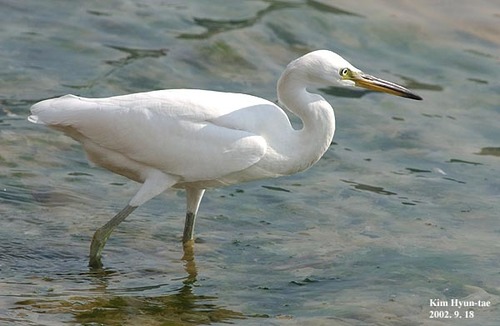
Pacific Reef-Heron (Egretta sacra) Pacific Reef-Heron
Chinese Egret (Egretta eulophotes) Chinese Egret

Media

Loading…

In short

The Pacific Reef-Heron and Chinese Egret can be challenging to distinguish, especially in overlapping coastal habitats. Key differences include plumage color and bill structure, with the Pacific Reef-Heron often displaying darker morphs and a more robust bill. Observing behavior and habitat preferences can also aid identification.

Identification tips

  1. Look for the color morph: Pacific Reef-Heron has both dark and white morphs, while Chinese Egret is always white. 2. Check the bill structure: Pacific Reef-Heron has a thicker, more robust bill. 3. Observe the habitat: Pacific Reef-Heron favors rocky areas; Chinese Egret prefers mudflats. 4. Note any crest: Chinese Egret has a more pronounced crest in breeding plumage.

Size

Both species are similar in size, but the Chinese Egret may appear slightly more slender.

Plumage

The Pacific Reef-Heron exhibits two color morphs: a dark slate-gray and a white morph, while the Chinese Egret is predominantly white with a slight yellowish tinge during breeding season. The Chinese Egret also has a more pronounced crest in breeding plumage.

Behaviour

Pacific Reef-Herons are often seen foraging alone or in pairs along rocky shores, while Chinese Egrets may be found in small groups in mudflats and shallow waters.

Habitat

Pacific Reef-Herons prefer rocky coastlines and coral reefs, whereas Chinese Egrets are more commonly found in tidal mudflats, estuaries, and coastal lagoons.

Voice

Vocalizations are not a primary distinguishing feature, as both species are generally quiet, but the Chinese Egret may emit a softer, more melodious call.

Submit a better description

Use the same sections as the comparison. Your text is published immediately.

The Pacific Reef-Heron and Chinese Egret can be challenging to distinguish, especially in overlapping coastal habitats. Key differences include plumage color and bill structure, with the Pacific Reef-Heron often displaying darker morphs and a more robust bill. Observing behavior and habitat preferences can also aid identification.

  1. Look for the color morph: Pacific Reef-Heron has both dark and white morphs, while Chinese Egret is always white. 2. Check the bill structure: Pacific Reef-Heron has a thicker, more robust bill. 3. Observe the habitat: Pacific Reef-Heron favors rocky areas; Chinese Egret prefers mudflats. 4. Note any crest: Chinese Egret has a more pronounced crest in breeding plumage.

Both species are similar in size, but the Chinese Egret may appear slightly more slender.

The Pacific Reef-Heron exhibits two color morphs: a dark slate-gray and a white morph, while the Chinese Egret is predominantly white with a slight yellowish tinge during breeding season. The Chinese Egret also has a more pronounced crest in breeding plumage.

Pacific Reef-Herons are often seen foraging alone or in pairs along rocky shores, while Chinese Egrets may be found in small groups in mudflats and shallow waters.

Pacific Reef-Herons prefer rocky coastlines and coral reefs, whereas Chinese Egrets are more commonly found in tidal mudflats, estuaries, and coastal lagoons.

Vocalizations are not a primary distinguishing feature, as both species are generally quiet, but the Chinese Egret may emit a softer, more melodious call.

Discard your changes?

You have unsaved edits. If you leave now, those changes will be lost.

Pacific Reef-Heron · Chinese Egret · My Tricky Birds