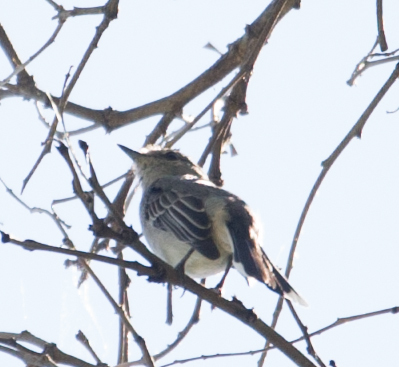
Pale Flycatcher vs Grey Tit-Flycatcher
Agricola pallidus versus Fraseria plumbea
Play a quiz with Pale Flycatcher and Grey Tit-Flycatcher
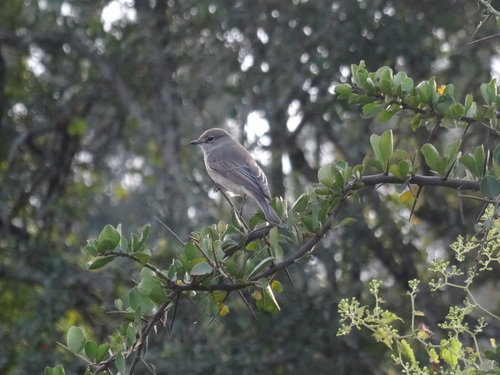
Pale Flycatcher
Grey Tit-Flycatcher
In short
The Pale Flycatcher and Grey Tit-Flycatcher can be distinguished by their overall coloration and structural features. The Pale Flycatcher is generally paler with a more uniform appearance, while the Grey Tit-Flycatcher has a more contrasting plumage with a distinct grey tone. Observing their behavior and habitat preferences can also aid in identification.
Identification tips
- Look for the overall coloration: Pale Flycatcher is more uniformly pale, while Grey Tit-Flycatcher is distinctly grey with darker wings and tail. 2. Observe the habitat: Pale Flycatchers are more likely in open areas, while Grey Tit-Flycatchers prefer dense forests. 3. Note behavior: Grey Tit-Flycatcher may appear more active and agile. 4. Listen for calls if possible, as they can provide additional clues.
Size
Both species are similar in size, typical of small Old World flycatchers.
Plumage
The Pale Flycatcher is characterized by its lighter, more uniform pale grey or brownish-grey plumage. In contrast, the Grey Tit-Flycatcher has a more distinct grey coloration with darker wings and tail, often appearing more contrasting overall.
Behaviour
Both species exhibit typical flycatcher behavior, often seen sallying from perches to catch insects. However, the Grey Tit-Flycatcher may appear more active and agile in its movements.
Habitat
The Pale Flycatcher is often found in more open habitats such as savannas and woodland edges, while the Grey Tit-Flycatcher prefers denser forested areas and thickets.
Voice
Vocalizations are not well-documented for these species in the provided notes, but generally, flycatchers have distinctive calls that can be used to differentiate them if known.