Birdr

Pearly-bellied Seedeater vs Marsh Seedeater

Sporophila pileata versus Sporophila palustris

Play a quiz with Pearly-bellied Seedeater and Marsh Seedeater
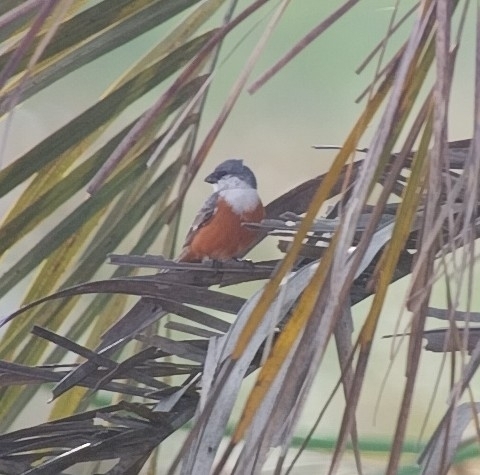
Pearly-bellied Seedeater (Sporophila pileata) Pearly-bellied Seedeater
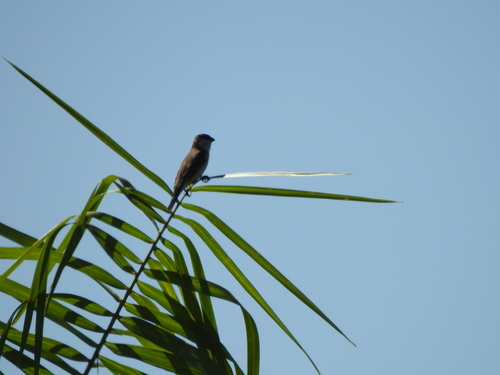
Marsh Seedeater (Sporophila palustris) Marsh Seedeater

Media

Loading…

In short

The Pearly-bellied Seedeater and Marsh Seedeater are both small, similar-looking birds from the Thraupidae family, but they can be distinguished by their habitat preferences and subtle plumage differences. The Marsh Seedeater is more specialized, relying heavily on marshy wetlands, while the Pearly-bellied Seedeater is more adaptable to different grassland habitats.

Identification tips

  1. Habitat: Look for the Marsh Seedeater in marshy wetlands, especially during breeding season. 2. Plumage: Check for a lighter, more uniform underbelly in the Pearly-bellied Seedeater. 3. Behavior: Observe foraging habits; Marsh Seedeaters may be more restricted to marshes. 4. Lighting: Ensure good lighting to discern subtle plumage differences.

Size

Both species are similar in size, typical of small seedeaters, with no significant differences in structure.

Plumage

The Pearly-bellied Seedeater typically has a more uniform and lighter underbelly, while the Marsh Seedeater may show more contrast with darker tones on the upperparts. These differences can be subtle and may require good lighting to discern.

Behaviour

Both species forage for grass seeds, but the Marsh Seedeater is more likely to be seen foraging in marshy areas, while the Pearly-bellied Seedeater is more adaptable to various grassland environments.

Habitat

The Marsh Seedeater is highly dependent on marshy wetlands, often found singing from tall plants in these areas, whereas the Pearly-bellied Seedeater can be found in a broader range of grassland habitats.

Voice

Vocalizations are not well-documented in the provided notes, but as with many seedeaters, songs and calls can vary and may provide additional clues if known.

Submit a better description

Use the same sections as the comparison. Your text is published immediately.

The Pearly-bellied Seedeater and Marsh Seedeater are both small, similar-looking birds from the Thraupidae family, but they can be distinguished by their habitat preferences and subtle plumage differences. The Marsh Seedeater is more specialized, relying heavily on marshy wetlands, while the Pearly-bellied Seedeater is more adaptable to different grassland habitats.

  1. Habitat: Look for the Marsh Seedeater in marshy wetlands, especially during breeding season. 2. Plumage: Check for a lighter, more uniform underbelly in the Pearly-bellied Seedeater. 3. Behavior: Observe foraging habits; Marsh Seedeaters may be more restricted to marshes. 4. Lighting: Ensure good lighting to discern subtle plumage differences.

Both species are similar in size, typical of small seedeaters, with no significant differences in structure.

The Pearly-bellied Seedeater typically has a more uniform and lighter underbelly, while the Marsh Seedeater may show more contrast with darker tones on the upperparts. These differences can be subtle and may require good lighting to discern.

Both species forage for grass seeds, but the Marsh Seedeater is more likely to be seen foraging in marshy areas, while the Pearly-bellied Seedeater is more adaptable to various grassland environments.

The Marsh Seedeater is highly dependent on marshy wetlands, often found singing from tall plants in these areas, whereas the Pearly-bellied Seedeater can be found in a broader range of grassland habitats.

Vocalizations are not well-documented in the provided notes, but as with many seedeaters, songs and calls can vary and may provide additional clues if known.

Discard your changes?

You have unsaved edits. If you leave now, those changes will be lost.

Pearly-bellied Seedeater · Marsh Seedeater · My Tricky Birds