Birdr

Pearly-eyed Thrasher vs Great-tailed Grackle

Margarops fuscatus versus Quiscalus mexicanus

Play a quiz with Pearly-eyed Thrasher and Great-tailed Grackle
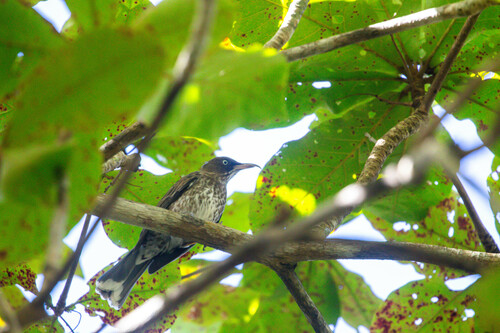
Pearly-eyed Thrasher (Margarops fuscatus) Pearly-eyed Thrasher
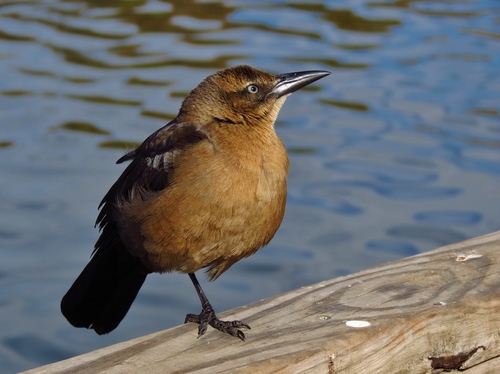
Great-tailed Grackle (Quiscalus mexicanus) Great-tailed Grackle

Media

Loading…

In short

The Pearly-eyed Thrasher and the Great-tailed Grackle can be distinguished by their eye color and tail shape. The Pearly-eyed Thrasher has striking pale eyes and a more modest tail, while the Great-tailed Grackle features yellow eyes and a long, keel-shaped tail. Both species exhibit different behaviors and habitats, aiding identification.

Identification tips

  1. Eye Color: Pearly-eyed Thrasher has pale eyes; Great-tailed Grackle has yellow eyes. 2. Tail Shape: Grackle has a long, keel-shaped tail. 3. Size: Grackle is larger, especially the male. 4. Plumage: Grackle male is glossy black; Thrasher is brownish. 5. Behavior: Grackle males are flamboyant; Thrasher is more discreet.

Size

The Great-tailed Grackle is larger, with males being particularly robust and females about half the size of the males. The Pearly-eyed Thrasher is smaller and more uniformly sized between sexes.

Plumage

The Pearly-eyed Thrasher has a brownish plumage with a pale eye, while the Great-tailed Grackle male is glossy black with purple iridescence and the female is dark brown, both with yellow eyes.

Behaviour

The Pearly-eyed Thrasher is known for its mobility and strong homing ability, often seen foraging across various habitats. The Great-tailed Grackle is flamboyant, with males displaying elaborate courtship and territorial behaviors.

Habitat

The Pearly-eyed Thrasher is adaptable, found in a range of habitats including islands and species-poor areas. The Great-tailed Grackle prefers drier coastal habitats, grasslands, and urban areas, often near water.

Voice

The Great-tailed Grackle has a large and varied vocal repertoire, while specific vocal details for the Pearly-eyed Thrasher are less documented.

Submit a better description

Use the same sections as the comparison. Your text is published immediately.

The Pearly-eyed Thrasher and the Great-tailed Grackle can be distinguished by their eye color and tail shape. The Pearly-eyed Thrasher has striking pale eyes and a more modest tail, while the Great-tailed Grackle features yellow eyes and a long, keel-shaped tail. Both species exhibit different behaviors and habitats, aiding identification.

  1. Eye Color: Pearly-eyed Thrasher has pale eyes; Great-tailed Grackle has yellow eyes. 2. Tail Shape: Grackle has a long, keel-shaped tail. 3. Size: Grackle is larger, especially the male. 4. Plumage: Grackle male is glossy black; Thrasher is brownish. 5. Behavior: Grackle males are flamboyant; Thrasher is more discreet.

The Great-tailed Grackle is larger, with males being particularly robust and females about half the size of the males. The Pearly-eyed Thrasher is smaller and more uniformly sized between sexes.

The Pearly-eyed Thrasher has a brownish plumage with a pale eye, while the Great-tailed Grackle male is glossy black with purple iridescence and the female is dark brown, both with yellow eyes.

The Pearly-eyed Thrasher is known for its mobility and strong homing ability, often seen foraging across various habitats. The Great-tailed Grackle is flamboyant, with males displaying elaborate courtship and territorial behaviors.

The Pearly-eyed Thrasher is adaptable, found in a range of habitats including islands and species-poor areas. The Great-tailed Grackle prefers drier coastal habitats, grasslands, and urban areas, often near water.

The Great-tailed Grackle has a large and varied vocal repertoire, while specific vocal details for the Pearly-eyed Thrasher are less documented.

Discard your changes?

You have unsaved edits. If you leave now, those changes will be lost.

Pearly-eyed Thrasher · Great-tailed Grackle · My Tricky Birds