Birdr

Pheasant Cuckoo vs Lesser Ground-Cuckoo

Dromococcyx phasianellus versus Morococcyx erythropygus

Play a quiz with Pheasant Cuckoo and Lesser Ground-Cuckoo

Pheasant Cuckoo (Dromococcyx phasianellus) Pheasant Cuckoo
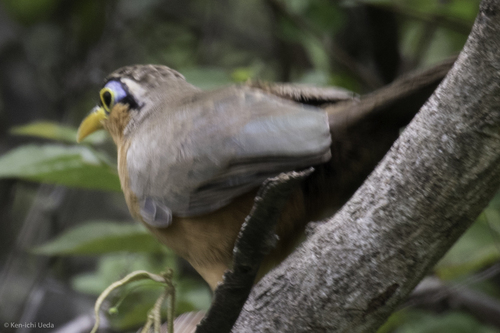
Lesser Ground-Cuckoo (Morococcyx erythropygus) Lesser Ground-Cuckoo

Media

Loading…

In short

The Pheasant Cuckoo and Lesser Ground-Cuckoo can be differentiated by their tail structure and habitat preference. The Pheasant Cuckoo has a longer, more graduated tail and is typically found in dense forests, while the Lesser Ground-Cuckoo has a shorter tail and prefers open areas.

Identification tips

1. Tail Structure: Look for the longer, graduated tail of the Pheasant Cuckoo compared to the shorter tail of the Lesser Ground-Cuckoo. 2. Habitat Preference: Note the habitat; dense forests suggest Pheasant Cuckoo, while open areas suggest Lesser Ground-Cuckoo. 3. Plumage Details: Check for the rufous rump and facial markings of the Lesser Ground-Cuckoo. 4. Behavior: Observe the bird's behavior; ground foraging is more typical of the Lesser Ground-Cuckoo.

Size

Both species are medium-sized cuckoos, but the Pheasant Cuckoo generally appears more elongated due to its longer tail.

Plumage

The Pheasant Cuckoo has a more uniform brown plumage with subtle barring on the tail, whereas the Lesser Ground-Cuckoo displays a more varied plumage with a distinctive rufous rump and more pronounced facial markings.

Behaviour

The Pheasant Cuckoo is often secretive and difficult to spot, whereas the Lesser Ground-Cuckoo is more likely to be seen foraging on the ground in open areas.

Habitat

Pheasant Cuckoos are typically found in dense forests throughout Central and South America, while Lesser Ground-Cuckoos prefer open, scrubby areas and forest edges.

Voice

The vocalizations of these species differ, but specific details are not provided. Birdwatchers should listen for distinct calls when identifying these species.

Submit a better description

Use the same sections as the comparison. Your text is published immediately.

The Pheasant Cuckoo and Lesser Ground-Cuckoo can be differentiated by their tail structure and habitat preference. The Pheasant Cuckoo has a longer, more graduated tail and is typically found in dense forests, while the Lesser Ground-Cuckoo has a shorter tail and prefers open areas.

1. Tail Structure: Look for the longer, graduated tail of the Pheasant Cuckoo compared to the shorter tail of the Lesser Ground-Cuckoo. 2. Habitat Preference: Note the habitat; dense forests suggest Pheasant Cuckoo, while open areas suggest Lesser Ground-Cuckoo. 3. Plumage Details: Check for the rufous rump and facial markings of the Lesser Ground-Cuckoo. 4. Behavior: Observe the bird's behavior; ground foraging is more typical of the Lesser Ground-Cuckoo.

Both species are medium-sized cuckoos, but the Pheasant Cuckoo generally appears more elongated due to its longer tail.

The Pheasant Cuckoo has a more uniform brown plumage with subtle barring on the tail, whereas the Lesser Ground-Cuckoo displays a more varied plumage with a distinctive rufous rump and more pronounced facial markings.

The Pheasant Cuckoo is often secretive and difficult to spot, whereas the Lesser Ground-Cuckoo is more likely to be seen foraging on the ground in open areas.

Pheasant Cuckoos are typically found in dense forests throughout Central and South America, while Lesser Ground-Cuckoos prefer open, scrubby areas and forest edges.

The vocalizations of these species differ, but specific details are not provided. Birdwatchers should listen for distinct calls when identifying these species.

Discard your changes?

You have unsaved edits. If you leave now, those changes will be lost.

Pheasant Cuckoo · Lesser Ground-Cuckoo · My Tricky Birds