Birdr

Pheasant Cuckoo vs Pavonine Cuckoo

Dromococcyx phasianellus versus Dromococcyx pavoninus

Play a quiz with Pheasant Cuckoo and Pavonine Cuckoo

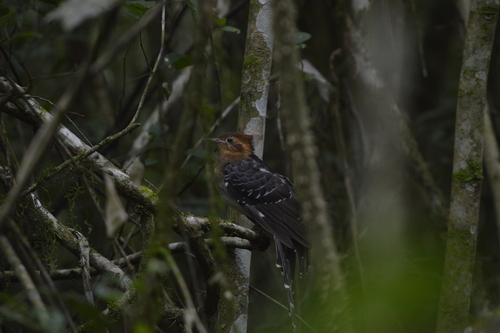
Pheasant Cuckoo (Dromococcyx phasianellus) Pheasant Cuckoo
Pavonine Cuckoo (Dromococcyx pavoninus) Pavonine Cuckoo

Media

Loading…

In short

The Pheasant Cuckoo and Pavonine Cuckoo are both medium-sized, elusive cuckoos found in Central and South American forests. They are often heard rather than seen, making vocalizations a key identification feature. While similar in structure, subtle differences in plumage and habitat preferences can aid in distinguishing them.

Identification tips

  1. Listen for vocalizations, as both species are more often heard than seen. 2. Look for the Pheasant Cuckoo's more pronounced crest and rufous tone. 3. Note the habitat and range; the Pheasant Cuckoo is more widespread. 4. Observe behavior; both are elusive and brood parasites.

Size

Both species are similar in size, with no significant differences in overall body structure.

Plumage

The Pheasant Cuckoo typically has a more pronounced crest and a slightly more rufous tone on its upperparts compared to the Pavonine Cuckoo. The Pavonine Cuckoo may appear slightly darker overall.

Behaviour

Both species are reclusive and often remain hidden in dense foliage. They are brood parasites, laying eggs in the nests of other bird species.

Habitat

Both species inhabit forested areas, but the Pheasant Cuckoo is more widespread across Central and South America. The Pavonine Cuckoo is also found in similar forest habitats but may have a slightly more restricted range.

Voice

Vocalizations are crucial for identification. The Pheasant Cuckoo has a distinctive, repetitive song that is often heard in its habitat. The Pavonine Cuckoo's call is less documented but is also a key identification feature when heard.

Submit a better description

Use the same sections as the comparison. Your text is published immediately.

The Pheasant Cuckoo and Pavonine Cuckoo are both medium-sized, elusive cuckoos found in Central and South American forests. They are often heard rather than seen, making vocalizations a key identification feature. While similar in structure, subtle differences in plumage and habitat preferences can aid in distinguishing them.

  1. Listen for vocalizations, as both species are more often heard than seen. 2. Look for the Pheasant Cuckoo's more pronounced crest and rufous tone. 3. Note the habitat and range; the Pheasant Cuckoo is more widespread. 4. Observe behavior; both are elusive and brood parasites.

Both species are similar in size, with no significant differences in overall body structure.

The Pheasant Cuckoo typically has a more pronounced crest and a slightly more rufous tone on its upperparts compared to the Pavonine Cuckoo. The Pavonine Cuckoo may appear slightly darker overall.

Both species are reclusive and often remain hidden in dense foliage. They are brood parasites, laying eggs in the nests of other bird species.

Both species inhabit forested areas, but the Pheasant Cuckoo is more widespread across Central and South America. The Pavonine Cuckoo is also found in similar forest habitats but may have a slightly more restricted range.

Vocalizations are crucial for identification. The Pheasant Cuckoo has a distinctive, repetitive song that is often heard in its habitat. The Pavonine Cuckoo's call is less documented but is also a key identification feature when heard.

Discard your changes?

You have unsaved edits. If you leave now, those changes will be lost.

Pheasant Cuckoo · Pavonine Cuckoo · My Tricky Birds