
Birdr

Pied Wagtail/White Wagtail vs Blyth's Pipit

Motacilla alba versus Anthus godlewskii

Play a quiz with Pied Wagtail/White Wagtail and Blyth's Pipit
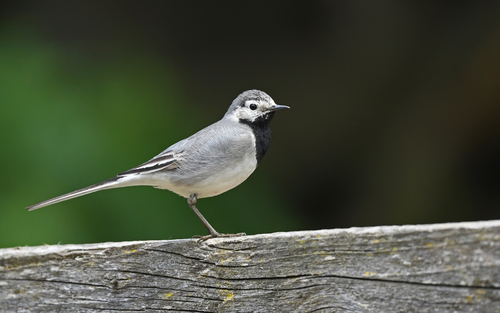
Pied Wagtail/White Wagtail (Motacilla alba) Pied Wagtail/White Wagtail
Blyth's Pipit (Anthus godlewskii) Blyth's Pipit

Media

Loading…

In short

Pied Wagtail/White Wagtail and Blyth's Pipit can be distinguished by their structure and habitat preferences. The wagtail has a more slender build with a longer tail and distinctive black and white plumage, while the pipit is more robust with brown streaked plumage. Vocalizations also differ, with wagtails having a sharper call.

Identification tips

Size

Pied Wagtail/White Wagtail is generally more slender and slightly smaller than Blyth's Pipit, which is more robust.

Plumage

Pied Wagtail/White Wagtail has a striking black and white plumage, with a black cap and white face in adults. Blyth's Pipit has a more subdued brown streaked plumage, blending well with grassy habitats.

Behaviour

Pied Wagtails/White Wagtails often exhibit tail-wagging behavior and are more likely to be seen near water, while Blyth's Pipits are more terrestrial, often found walking or running on the ground.

Habitat

Pied Wagtails/White Wagtails are frequently found near water bodies and human settlements, whereas Blyth's Pipits prefer open grasslands and steppe regions.

Voice

Pied Wagtails/White Wagtails have a sharper, more piercing call compared to the softer, more musical call of Blyth's Pipit.

Submit a better description

Use the same sections as the comparison. Your text is published immediately.

Pied Wagtail/White Wagtail and Blyth's Pipit can be distinguished by their structure and habitat preferences. The wagtail has a more slender build with a longer tail and distinctive black and white plumage, while the pipit is more robust with brown streaked plumage. Vocalizations also differ, with wagtails having a sharper call.

  • Tail length and movement: Pied Wagtails have a longer tail that they frequently wag.
  • Plumage color: Look for the stark black and white contrast in wagtails versus the brown streaks of pipits.
  • Habitat: Check for proximity to water for wagtails; pipits prefer open, grassy areas.
  • Vocalization: Listen for the sharper call of the wagtail compared to the pipit's softer notes.

Pied Wagtail/White Wagtail is generally more slender and slightly smaller than Blyth's Pipit, which is more robust.

Pied Wagtail/White Wagtail has a striking black and white plumage, with a black cap and white face in adults. Blyth's Pipit has a more subdued brown streaked plumage, blending well with grassy habitats.

Pied Wagtails/White Wagtails often exhibit tail-wagging behavior and are more likely to be seen near water, while Blyth's Pipits are more terrestrial, often found walking or running on the ground.

Pied Wagtails/White Wagtails are frequently found near water bodies and human settlements, whereas Blyth's Pipits prefer open grasslands and steppe regions.

Pied Wagtails/White Wagtails have a sharper, more piercing call compared to the softer, more musical call of Blyth's Pipit.

Discard your changes?

You have unsaved edits. If you leave now, those changes will be lost.

Pied Wagtail/White Wagtail · Blyth's Pipit · My Tricky Birds