Birdr

Plum-throated Cotinga vs Purple-breasted Cotinga

Cotinga maynana versus Cotinga cotinga

Play a quiz with Plum-throated Cotinga and Purple-breasted Cotinga
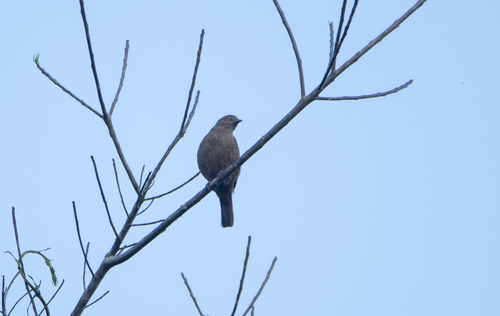
Plum-throated Cotinga (Cotinga maynana) Plum-throated Cotinga
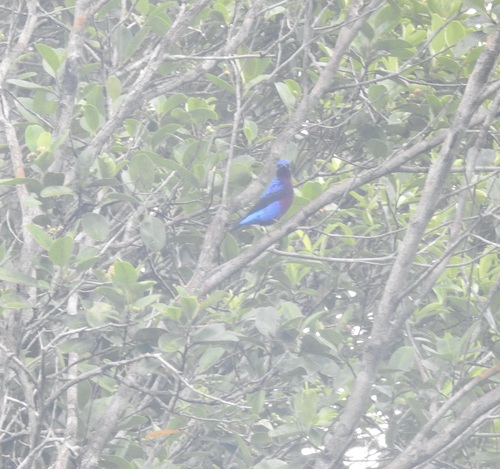
Purple-breasted Cotinga (Cotinga cotinga) Purple-breasted Cotinga

Media

Loading…

In short

The Plum-throated Cotinga is distinguished by its more uniform turquoise-blue plumage compared to the Purple-breasted Cotinga, which has a striking combination of blue, purple, and black. Both species produce mechanical wing sounds in flight and are often seen perched high in the canopy or at fruiting trees.

Identification tips

  1. Look for the more uniform turquoise-blue plumage of the Plum-throated Cotinga. 2. Note the mix of blue, purple, and black in the Purple-breasted Cotinga. 3. Both species produce mechanical wing sounds, so focus on visual differences. 4. Consider habitat: Plum-throated Cotinga may be more often in seasonally flooded forests.

Size

Both species are similar in size, typical of cotingas, with no significant size difference noted.

Plumage

The male Plum-throated Cotinga has a more uniform turquoise-blue appearance with fewer black markings, while the Purple-breasted Cotinga displays a mix of blue, purple, and black plumage.

Behaviour

Both species are often seen on exposed perches high in the canopy or foraging at fruiting trees. They are not known for vocalizing frequently.

Habitat

Plum-throated Cotingas are found in both terra firme and seasonally flooded forests, while the Purple-breasted Cotinga's distribution is less certain but generally overlaps in similar forested habitats.

Voice

Both species rarely vocalize, but males produce mechanical wing sounds in flight.

Submit a better description

Use the same sections as the comparison. Your text is published immediately.

The Plum-throated Cotinga is distinguished by its more uniform turquoise-blue plumage compared to the Purple-breasted Cotinga, which has a striking combination of blue, purple, and black. Both species produce mechanical wing sounds in flight and are often seen perched high in the canopy or at fruiting trees.

  1. Look for the more uniform turquoise-blue plumage of the Plum-throated Cotinga. 2. Note the mix of blue, purple, and black in the Purple-breasted Cotinga. 3. Both species produce mechanical wing sounds, so focus on visual differences. 4. Consider habitat: Plum-throated Cotinga may be more often in seasonally flooded forests.

Both species are similar in size, typical of cotingas, with no significant size difference noted.

The male Plum-throated Cotinga has a more uniform turquoise-blue appearance with fewer black markings, while the Purple-breasted Cotinga displays a mix of blue, purple, and black plumage.

Both species are often seen on exposed perches high in the canopy or foraging at fruiting trees. They are not known for vocalizing frequently.

Plum-throated Cotingas are found in both terra firme and seasonally flooded forests, while the Purple-breasted Cotinga's distribution is less certain but generally overlaps in similar forested habitats.

Both species rarely vocalize, but males produce mechanical wing sounds in flight.

Discard your changes?

You have unsaved edits. If you leave now, those changes will be lost.

Plum-throated Cotinga · Purple-breasted Cotinga · My Tricky Birds