Birdr

Plumed Whistling-Duck vs Collared Dove

Dendrocygna eytoni versus Streptopelia decaocto

Play a quiz with Plumed Whistling-Duck and Collared Dove
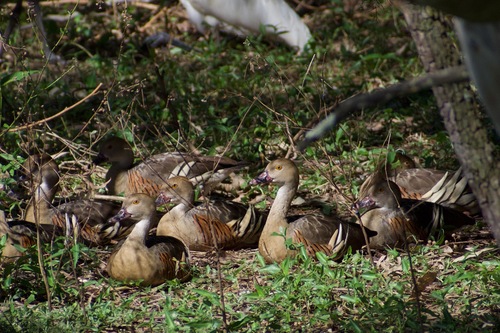
Plumed Whistling-Duck (Dendrocygna eytoni) Plumed Whistling-Duck
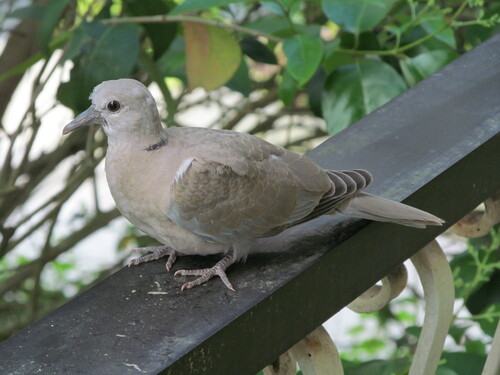
Collared Dove (Streptopelia decaocto) Collared Dove

Media

Loading…

In short

The Plumed Whistling-Duck and the Collared Dove are unlikely to be confused due to their distinct appearances and habitats. The duck is a waterfowl with a unique plumed appearance, while the dove is a terrestrial bird with a distinctive collar marking. Observing their behavior and habitat can quickly clarify identification.

Identification tips

  1. Location: Check if the bird is near water (duck) or in urban/suburban areas (dove). 2. Plumage: Look for the long flank plumes of the duck versus the dove's black collar. 3. Size and Shape: Note the larger, more robust body of the duck compared to the smaller, sleeker dove. 4. Vocalization: Listen for the duck's whistling versus the dove's cooing.

Size

The Plumed Whistling-Duck is larger and more robust, typical of waterfowl, while the Collared Dove is smaller and more slender, consistent with pigeons and doves.

Plumage

The Plumed Whistling-Duck has a striking appearance with long, elegant plumes on its flanks and a generally brownish body. The Collared Dove is pale gray with a distinctive black collar on the nape, lacking any plumes.

Behaviour

Plumed Whistling-Ducks are often seen in flocks near water bodies, while Collared Doves are typically found in pairs or small groups in urban or suburban areas.

Habitat

Plumed Whistling-Ducks frequent wetlands and grassy areas near water, whereas Collared Doves are commonly found in urban, suburban, and agricultural landscapes.

Voice

Plumed Whistling-Ducks produce a high-pitched whistling sound, whereas Collared Doves have a distinctive three-part cooing call.

Submit a better description

Use the same sections as the comparison. Your text is published immediately.

The Plumed Whistling-Duck and the Collared Dove are unlikely to be confused due to their distinct appearances and habitats. The duck is a waterfowl with a unique plumed appearance, while the dove is a terrestrial bird with a distinctive collar marking. Observing their behavior and habitat can quickly clarify identification.

  1. Location: Check if the bird is near water (duck) or in urban/suburban areas (dove). 2. Plumage: Look for the long flank plumes of the duck versus the dove's black collar. 3. Size and Shape: Note the larger, more robust body of the duck compared to the smaller, sleeker dove. 4. Vocalization: Listen for the duck's whistling versus the dove's cooing.

The Plumed Whistling-Duck is larger and more robust, typical of waterfowl, while the Collared Dove is smaller and more slender, consistent with pigeons and doves.

The Plumed Whistling-Duck has a striking appearance with long, elegant plumes on its flanks and a generally brownish body. The Collared Dove is pale gray with a distinctive black collar on the nape, lacking any plumes.

Plumed Whistling-Ducks are often seen in flocks near water bodies, while Collared Doves are typically found in pairs or small groups in urban or suburban areas.

Plumed Whistling-Ducks frequent wetlands and grassy areas near water, whereas Collared Doves are commonly found in urban, suburban, and agricultural landscapes.

Plumed Whistling-Ducks produce a high-pitched whistling sound, whereas Collared Doves have a distinctive three-part cooing call.

Discard your changes?

You have unsaved edits. If you leave now, those changes will be lost.

Plumed Whistling-Duck · Collared Dove · My Tricky Birds