Birdr

Puna Snipe vs Magellanic Snipe

Gallinago andina versus Gallinago magellanica

Play a quiz with Puna Snipe and Magellanic Snipe
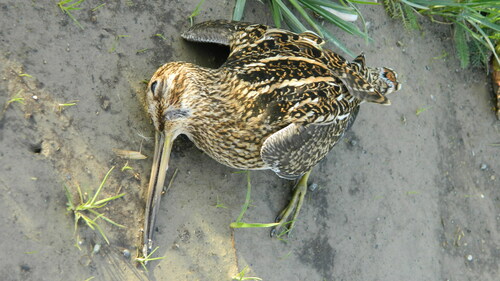
Puna Snipe (Gallinago andina) Puna Snipe
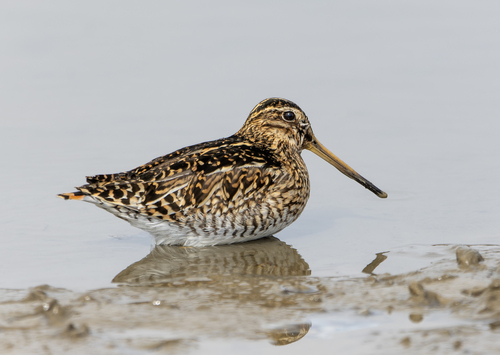
Magellanic Snipe (Gallinago magellanica) Magellanic Snipe

Media

Loading…

In short

The Puna Snipe and Magellanic Snipe can be challenging to differentiate in the field. Key differences include plumage coloration and habitat preferences. Observing these features carefully can aid in identification.

Identification tips

1. Focus on plumage: Puna Snipe is darker and less rufescent than Magellanic Snipe. 2. Consider habitat: Puna Snipe prefers high-altitude wetlands, while Magellanic Snipe is often in lowland areas. 3. Listen for vocalizations: Magellanic Snipe's calls are distinct if heard. 4. Be aware of overlap: In winter, ranges may overlap, complicating identification.

Size

Both species are similar in size, typical of snipes, with no significant differences in structure or proportions.

Plumage

Puna Snipe generally appears darker and less rufescent than the Magellanic Snipe. The Magellanic Snipe is more rufescent above and buffier below, with less heavy markings compared to the Puna Snipe.

Behaviour

Both species exhibit typical snipe behavior, such as skulking in dense vegetation and sudden, zigzag flight when flushed.

Habitat

Puna Snipe is typically found in high-altitude wetlands and puna grasslands, while Magellanic Snipe is more likely to be found in lowland and coastal areas, though it can migrate to higher altitudes.

Voice

Magellanic Snipe has a slower rhythmic chip call and a more syncopated winnowing flight song compared to other snipes. Puna Snipe's vocalizations are less well-documented.

Submit a better description

Use the same sections as the comparison. Your text is published immediately.

The Puna Snipe and Magellanic Snipe can be challenging to differentiate in the field. Key differences include plumage coloration and habitat preferences. Observing these features carefully can aid in identification.

1. Focus on plumage: Puna Snipe is darker and less rufescent than Magellanic Snipe. 2. Consider habitat: Puna Snipe prefers high-altitude wetlands, while Magellanic Snipe is often in lowland areas. 3. Listen for vocalizations: Magellanic Snipe's calls are distinct if heard. 4. Be aware of overlap: In winter, ranges may overlap, complicating identification.

Both species are similar in size, typical of snipes, with no significant differences in structure or proportions.

Puna Snipe generally appears darker and less rufescent than the Magellanic Snipe. The Magellanic Snipe is more rufescent above and buffier below, with less heavy markings compared to the Puna Snipe.

Both species exhibit typical snipe behavior, such as skulking in dense vegetation and sudden, zigzag flight when flushed.

Puna Snipe is typically found in high-altitude wetlands and puna grasslands, while Magellanic Snipe is more likely to be found in lowland and coastal areas, though it can migrate to higher altitudes.

Magellanic Snipe has a slower rhythmic chip call and a more syncopated winnowing flight song compared to other snipes. Puna Snipe's vocalizations are less well-documented.

Discard your changes?

You have unsaved edits. If you leave now, those changes will be lost.

Puna Snipe · Magellanic Snipe · My Tricky Birds