Birdr

Red-breasted Flycatcher vs Collared Flycatcher

Ficedula parva versus Ficedula albicollis

Play a quiz with Red-breasted Flycatcher and Collared Flycatcher
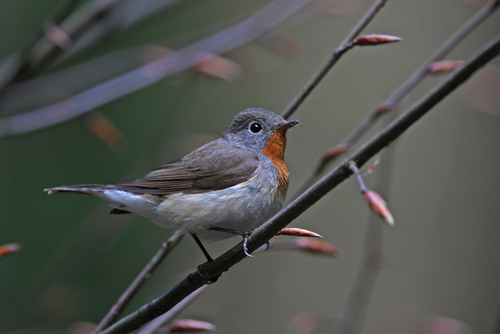
Red-breasted Flycatcher (Ficedula parva) Red-breasted Flycatcher
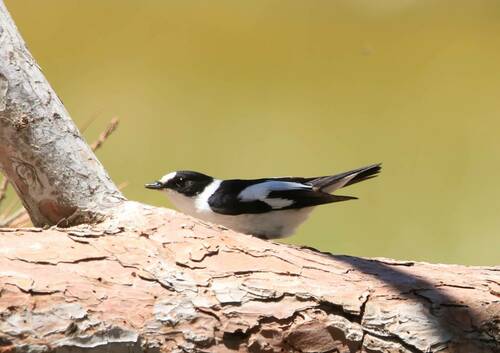
Collared Flycatcher (Ficedula albicollis) Collared Flycatcher

Media

Loading…

In short

The Collared Flycatcher is best distinguished by its bold black-and-white plumage, while the Red-breasted Flycatcher features a more subdued appearance with a distinctive orange throat in males. Both species are small Old World flycatchers, but the Collared Flycatcher is generally more striking in contrast.

Identification tips

  1. Look for the white collar and forehead patch on the Collared Flycatcher. 2. Note the orange throat on male Red-breasted Flycatchers. 3. Observe the overall plumage contrast: Collared Flycatchers are more strikingly black-and-white. 4. Listen for song differences: Collared Flycatchers have a more melodious song compared to the high-pitched notes of the Red-breasted Flycatcher.

Size

Both species are similar in size, typical of small flycatchers.

Plumage

The Collared Flycatcher has a striking black-and-white contrast with a prominent white collar and forehead patch, while the Red-breasted Flycatcher is more subtle, with males showing an orange throat patch and females being generally duller.

Behaviour

Both species exhibit typical flycatcher behavior, often seen sallying from perches to catch insects.

Habitat

Both species prefer deciduous or mixed woodlands, but the Collared Flycatcher is more common in central and eastern Europe, while the Red-breasted Flycatcher is found further east.

Voice

The Red-breasted Flycatcher's song is a series of high-pitched notes, while the Collared Flycatcher has a more varied and melodious song.

Submit a better description

Use the same sections as the comparison. Your text is published immediately.

The Collared Flycatcher is best distinguished by its bold black-and-white plumage, while the Red-breasted Flycatcher features a more subdued appearance with a distinctive orange throat in males. Both species are small Old World flycatchers, but the Collared Flycatcher is generally more striking in contrast.

  1. Look for the white collar and forehead patch on the Collared Flycatcher. 2. Note the orange throat on male Red-breasted Flycatchers. 3. Observe the overall plumage contrast: Collared Flycatchers are more strikingly black-and-white. 4. Listen for song differences: Collared Flycatchers have a more melodious song compared to the high-pitched notes of the Red-breasted Flycatcher.

Both species are similar in size, typical of small flycatchers.

The Collared Flycatcher has a striking black-and-white contrast with a prominent white collar and forehead patch, while the Red-breasted Flycatcher is more subtle, with males showing an orange throat patch and females being generally duller.

Both species exhibit typical flycatcher behavior, often seen sallying from perches to catch insects.

Both species prefer deciduous or mixed woodlands, but the Collared Flycatcher is more common in central and eastern Europe, while the Red-breasted Flycatcher is found further east.

The Red-breasted Flycatcher's song is a series of high-pitched notes, while the Collared Flycatcher has a more varied and melodious song.

Discard your changes?

You have unsaved edits. If you leave now, those changes will be lost.

Red-breasted Flycatcher · Collared Flycatcher · My Tricky Birds