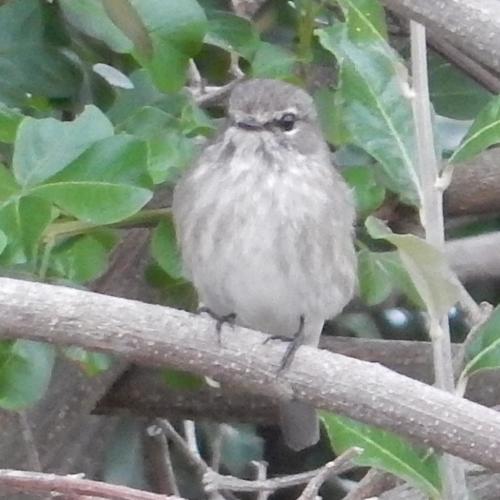
Red-fronted Barbet vs African Dusky Flycatcher
Tricholaema diademata versus Muscicapa adusta
Play a quiz with Red-fronted Barbet and African Dusky Flycatcher
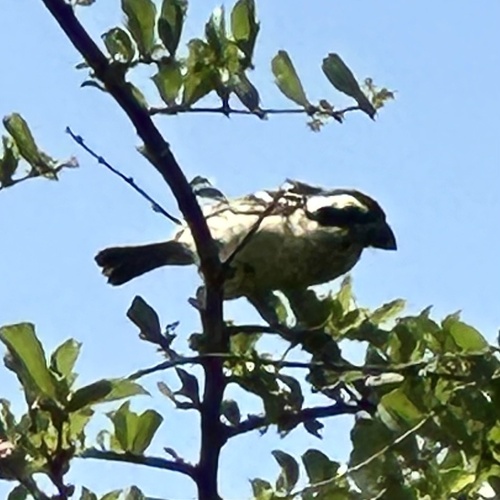
Red-fronted Barbet
African Dusky Flycatcher
In short
The Red-fronted Barbet and the African Dusky Flycatcher are easily distinguished by their size, structure, and plumage. The barbet is larger with a stout bill and vibrant red markings, while the flycatcher is smaller, with a more slender build and muted coloration. Their habitats and behaviors also differ significantly.
Identification tips
- Size and Structure: Look for the larger size and stout bill of the barbet versus the smaller, slender flycatcher. 2. Plumage: Note the red forehead of the barbet compared to the plain, brownish-grey flycatcher. 3. Behavior: Observe feeding habits; barbets are more stationary, while flycatchers are active. 4. Habitat: Consider the environment; barbets prefer wooded areas, flycatchers are often in open woodlands. 5. Vocalizations: Listen for the barbet's repetitive call versus the flycatcher's more subdued song.
Size
The Red-fronted Barbet is larger and more robust than the African Dusky Flycatcher, which is smaller and more delicate.
Plumage
The Red-fronted Barbet has a distinctive red forehead and a black-and-white pattern on its face and body, while the African Dusky Flycatcher is more uniformly brownish-grey with no striking color patches.
Behaviour
The Red-fronted Barbet is often seen perched in trees, feeding on fruits and insects, while the African Dusky Flycatcher is more active, often seen sallying from perches to catch insects in flight.
Habitat
The Red-fronted Barbet is typically found in wooded areas and savannas, whereas the African Dusky Flycatcher prefers forest edges and open woodlands.
Voice
The Red-fronted Barbet has a distinctive, repetitive call, while the African Dusky Flycatcher's song is more subdued and less repetitive.
Red-fronted Barbet · African Dusky Flycatcher · My Tricky Birds