Birdr

Red Knot vs Black-capped Gnatcatcher

Calidris canutus versus Polioptila nigriceps

Play a quiz with Red Knot and Black-capped Gnatcatcher
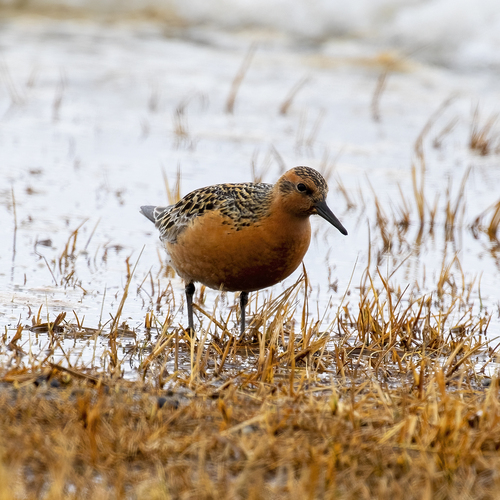
Red Knot (Calidris canutus) Red Knot
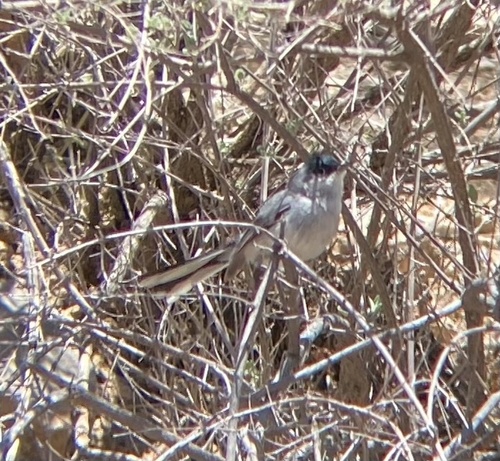
Black-capped Gnatcatcher (Polioptila nigriceps) Black-capped Gnatcatcher

Media

Loading…

In short

The Red Knot and Black-capped Gnatcatcher are easily distinguished by their size and habitat preferences. Red Knots are large, migratory shorebirds often found in coastal areas, while Black-capped Gnatcatchers are small, resident songbirds typically seen in scrubby habitats. Their plumage and behavior also differ significantly.

Identification tips

1. Size and Shape: Red Knots are much larger and stockier than Black-capped Gnatcatchers. 2. Habitat: Look for Red Knots in coastal areas and gnatcatchers in scrubby environments. 3. Plumage: In winter, Red Knots are gray and white, while male Black-capped Gnatcatchers have a distinctive black cap. 4. Behavior: Red Knots are often in flocks, whereas gnatcatchers are more solitary or in pairs.

Size

The Red Knot is a medium-sized shorebird, much larger than the small Black-capped Gnatcatcher.

Plumage

Red Knots have a gray and white plumage in winter, with no distinct markings, while Black-capped Gnatcatchers have a distinctive black cap in males and a pale eye-ring in both sexes. The gnatcatcher is generally more colorful and contrasting.

Behaviour

Red Knots are known for their long-distance migrations and are often seen in large flocks. In contrast, Black-capped Gnatcatchers are more solitary or found in pairs and are generally resident, with some possible local movements.

Habitat

Red Knots inhabit marine shorelines during non-breeding seasons, while Black-capped Gnatcatchers are found in scrubby, arid habitats.

Voice

The vocalizations of these species are quite different, with the Red Knot being more silent compared to the Black-capped Gnatcatcher's frequent calls.

Submit a better description

Use the same sections as the comparison. Your text is published immediately.

The Red Knot and Black-capped Gnatcatcher are easily distinguished by their size and habitat preferences. Red Knots are large, migratory shorebirds often found in coastal areas, while Black-capped Gnatcatchers are small, resident songbirds typically seen in scrubby habitats. Their plumage and behavior also differ significantly.

1. Size and Shape: Red Knots are much larger and stockier than Black-capped Gnatcatchers. 2. Habitat: Look for Red Knots in coastal areas and gnatcatchers in scrubby environments. 3. Plumage: In winter, Red Knots are gray and white, while male Black-capped Gnatcatchers have a distinctive black cap. 4. Behavior: Red Knots are often in flocks, whereas gnatcatchers are more solitary or in pairs.

The Red Knot is a medium-sized shorebird, much larger than the small Black-capped Gnatcatcher.

Red Knots have a gray and white plumage in winter, with no distinct markings, while Black-capped Gnatcatchers have a distinctive black cap in males and a pale eye-ring in both sexes. The gnatcatcher is generally more colorful and contrasting.

Red Knots are known for their long-distance migrations and are often seen in large flocks. In contrast, Black-capped Gnatcatchers are more solitary or found in pairs and are generally resident, with some possible local movements.

Red Knots inhabit marine shorelines during non-breeding seasons, while Black-capped Gnatcatchers are found in scrubby, arid habitats.

The vocalizations of these species are quite different, with the Red Knot being more silent compared to the Black-capped Gnatcatcher's frequent calls.

Discard your changes?

You have unsaved edits. If you leave now, those changes will be lost.

Red Knot · Black-capped Gnatcatcher · My Tricky Birds