Birdr

Red-necked Grebe vs Great Crested Grebe

Podiceps grisegena versus Podiceps cristatus

Play a quiz with Red-necked Grebe and Great Crested Grebe
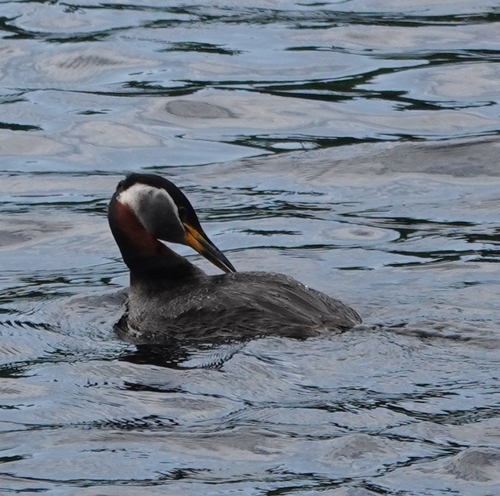
Red-necked Grebe (Podiceps grisegena) Red-necked Grebe
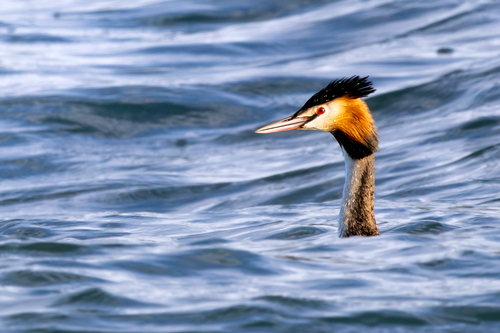
Great Crested Grebe (Podiceps cristatus) Great Crested Grebe

Media

Loading…

In short

The Red-necked Grebe and Great Crested Grebe are both large waterbirds, but the Red-necked Grebe is distinguished by its robust bill and distinctive red neck during breeding season. The Great Crested Grebe is known for its elegant head plumes and slimmer profile.

Identification tips

Look for the red neck in breeding Red-necked Grebes and the head plumes in Great Crested Grebes. The Red-necked Grebe's robust bill is a key feature. Consider the habitat: Red-necked Grebes are more likely found in northern inland lakes during breeding season, while Great Crested Grebes are common in larger water bodies across Europe and Asia. Listen for vocalizations if possible, as they differ significantly during breeding.

Size

The Red-necked Grebe is slightly bulkier with a more robust build compared to the Great Crested Grebe.

Plumage

In breeding plumage, the Red-necked Grebe has a striking red neck and a white face with a dark cap, while the Great Crested Grebe features ornate head plumes and a more slender neck.

Behaviour

Red-necked Grebes are highly territorial and aggressive, often engaging in underwater attack dives. Great Crested Grebes are known for their elaborate courtship displays, including synchronized swimming and head-shaking.

Habitat

Red-necked Grebes breed on small lakes in northern prairies and parklands, while Great Crested Grebes are more widespread in freshwater lakes and reservoirs across Europe and Asia.

Voice

Red-necked Grebes are more vocal on breeding grounds with raucous calls, whereas Great Crested Grebes have a variety of quieter, more melodic calls.

Submit a better description

Use the same sections as the comparison. Your text is published immediately.

The Red-necked Grebe and Great Crested Grebe are both large waterbirds, but the Red-necked Grebe is distinguished by its robust bill and distinctive red neck during breeding season. The Great Crested Grebe is known for its elegant head plumes and slimmer profile.

Look for the red neck in breeding Red-necked Grebes and the head plumes in Great Crested Grebes. The Red-necked Grebe's robust bill is a key feature. Consider the habitat: Red-necked Grebes are more likely found in northern inland lakes during breeding season, while Great Crested Grebes are common in larger water bodies across Europe and Asia. Listen for vocalizations if possible, as they differ significantly during breeding.

The Red-necked Grebe is slightly bulkier with a more robust build compared to the Great Crested Grebe.

In breeding plumage, the Red-necked Grebe has a striking red neck and a white face with a dark cap, while the Great Crested Grebe features ornate head plumes and a more slender neck.

Red-necked Grebes are highly territorial and aggressive, often engaging in underwater attack dives. Great Crested Grebes are known for their elaborate courtship displays, including synchronized swimming and head-shaking.

Red-necked Grebes breed on small lakes in northern prairies and parklands, while Great Crested Grebes are more widespread in freshwater lakes and reservoirs across Europe and Asia.

Red-necked Grebes are more vocal on breeding grounds with raucous calls, whereas Great Crested Grebes have a variety of quieter, more melodic calls.

Discard your changes?

You have unsaved edits. If you leave now, those changes will be lost.

Red-necked Grebe · Great Crested Grebe · My Tricky Birds