Birdr

Red-necked Nightjar vs Egyptian Nightjar

Caprimulgus ruficollis versus Caprimulgus aegyptius

Play a quiz with Red-necked Nightjar and Egyptian Nightjar

Red-necked Nightjar (Caprimulgus ruficollis) Red-necked Nightjar
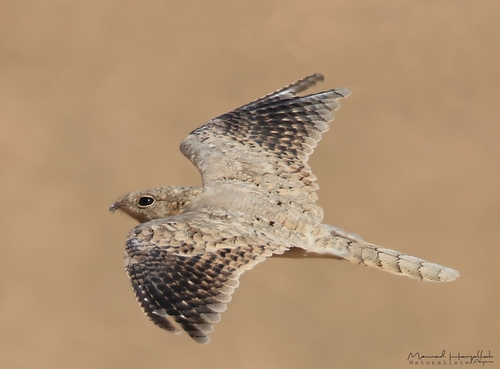
Egyptian Nightjar (Caprimulgus aegyptius) Egyptian Nightjar

Media

Loading…

In short

The Red-necked Nightjar and Egyptian Nightjar are similar in appearance but can be distinguished by their size and plumage details. The Red-necked Nightjar is generally larger with a more pronounced rufous collar, while the Egyptian Nightjar is smaller and paler overall. Both species are crepuscular and nocturnal, making them challenging to observe.

Identification tips

  1. Size: Look for the larger size of the Red-necked Nightjar. 2. Plumage: Note the rufous collar of the Red-necked Nightjar versus the paler appearance of the Egyptian Nightjar. 3. Habitat: Consider the habitat; Red-necked Nightjars are more likely in wooded areas, while Egyptian Nightjars prefer deserts. 4. Vocalizations: Listen for differences in calls, especially during the breeding season.

Size

The Red-necked Nightjar is larger than the Egyptian Nightjar.

Plumage

The Red-necked Nightjar has a distinctive rufous collar and more contrasting plumage, while the Egyptian Nightjar is paler with less contrast.

Behaviour

Both species are crepuscular and nocturnal, often seen flying low over open areas at dusk or dawn.

Habitat

The Red-necked Nightjar prefers open woodlands and scrub, while the Egyptian Nightjar is more often found in arid, desert-like environments.

Voice

The vocalizations of these species differ, though specifics are not well-documented here. Observers should listen for differences in calls during the breeding season.

Submit a better description

Use the same sections as the comparison. Your text is published immediately.

The Red-necked Nightjar and Egyptian Nightjar are similar in appearance but can be distinguished by their size and plumage details. The Red-necked Nightjar is generally larger with a more pronounced rufous collar, while the Egyptian Nightjar is smaller and paler overall. Both species are crepuscular and nocturnal, making them challenging to observe.

  1. Size: Look for the larger size of the Red-necked Nightjar. 2. Plumage: Note the rufous collar of the Red-necked Nightjar versus the paler appearance of the Egyptian Nightjar. 3. Habitat: Consider the habitat; Red-necked Nightjars are more likely in wooded areas, while Egyptian Nightjars prefer deserts. 4. Vocalizations: Listen for differences in calls, especially during the breeding season.

The Red-necked Nightjar is larger than the Egyptian Nightjar.

The Red-necked Nightjar has a distinctive rufous collar and more contrasting plumage, while the Egyptian Nightjar is paler with less contrast.

Both species are crepuscular and nocturnal, often seen flying low over open areas at dusk or dawn.

The Red-necked Nightjar prefers open woodlands and scrub, while the Egyptian Nightjar is more often found in arid, desert-like environments.

The vocalizations of these species differ, though specifics are not well-documented here. Observers should listen for differences in calls during the breeding season.

Discard your changes?

You have unsaved edits. If you leave now, those changes will be lost.

Red-necked Nightjar · Egyptian Nightjar · My Tricky Birds