Birdr

Red-throated Pipit vs Paramo Pipit

Anthus cervinus versus Anthus bogotensis

Play a quiz with Red-throated Pipit and Paramo Pipit
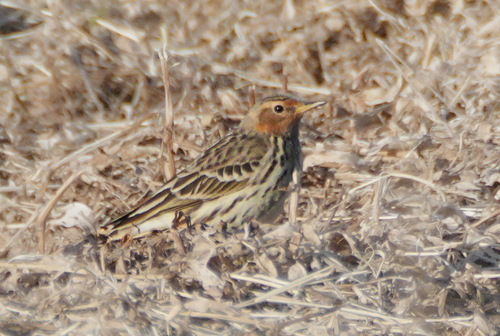
Red-throated Pipit (Anthus cervinus) Red-throated Pipit
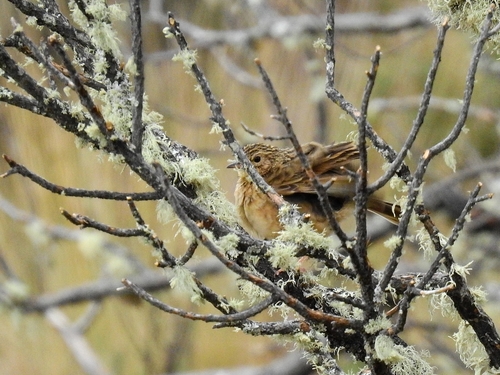
Paramo Pipit (Anthus bogotensis) Paramo Pipit

Media

Loading…

In short

The Red-throated Pipit and Paramo Pipit can be distinguished by their plumage and habitat preferences. The Red-throated Pipit often shows a distinctive red throat in breeding plumage, while the Paramo Pipit has less densely streaked underparts. Habitat is a key difference, with the Red-throated Pipit found in open tundra and the Paramo Pipit in high-altitude grasslands.

Identification tips

  1. Look for the red throat in breeding Red-throated Pipits. 2. Note the less densely streaked underparts of the Paramo Pipit. 3. Consider habitat: tundra for Red-throated, high-altitude grasslands for Paramo. 4. Listen for any distinct vocal differences, though these are not well-documented.

Size

Both species are similar in size, typical of pipits, with no significant difference in overall body size.

Plumage

The Red-throated Pipit in breeding plumage has a notable red throat, which is absent in the Paramo Pipit. The Paramo Pipit has less densely streaked underparts, which can assist in identification.

Behaviour

Both species forage on the ground for insects and seeds, displaying typical pipit behavior.

Habitat

Red-throated Pipits are found in open tundra and wet meadows, while Paramo Pipits inhabit high-altitude grasslands in the Andes.

Voice

Specific vocalization details are not provided, but pipits generally have similar calls. Observers should note any distinct differences in song if heard.

Submit a better description

Use the same sections as the comparison. Your text is published immediately.

The Red-throated Pipit and Paramo Pipit can be distinguished by their plumage and habitat preferences. The Red-throated Pipit often shows a distinctive red throat in breeding plumage, while the Paramo Pipit has less densely streaked underparts. Habitat is a key difference, with the Red-throated Pipit found in open tundra and the Paramo Pipit in high-altitude grasslands.

  1. Look for the red throat in breeding Red-throated Pipits. 2. Note the less densely streaked underparts of the Paramo Pipit. 3. Consider habitat: tundra for Red-throated, high-altitude grasslands for Paramo. 4. Listen for any distinct vocal differences, though these are not well-documented.

Both species are similar in size, typical of pipits, with no significant difference in overall body size.

The Red-throated Pipit in breeding plumage has a notable red throat, which is absent in the Paramo Pipit. The Paramo Pipit has less densely streaked underparts, which can assist in identification.

Both species forage on the ground for insects and seeds, displaying typical pipit behavior.

Red-throated Pipits are found in open tundra and wet meadows, while Paramo Pipits inhabit high-altitude grasslands in the Andes.

Specific vocalization details are not provided, but pipits generally have similar calls. Observers should note any distinct differences in song if heard.

Discard your changes?

You have unsaved edits. If you leave now, those changes will be lost.

Red-throated Pipit · Paramo Pipit · My Tricky Birds