Birdr

Ridgway's Rail vs Clapper Rail

Rallus obsoletus versus Rallus crepitans

Play a quiz with Ridgway's Rail and Clapper Rail

Ridgway's Rail (Rallus obsoletus) Ridgway's Rail
Clapper Rail (Rallus crepitans) Clapper Rail

Media

Loading…

In short

Ridgway's Rail and Clapper Rail are closely related and were once considered the same species. They are best distinguished by their habitat preferences and subtle differences in plumage and vocalizations. Ridgway's Rail is typically found in the southwestern U.S. and northwestern Mexico, while Clapper Rail is more common along the Atlantic and Gulf coasts.

Identification tips

1. Habitat: Check the location; Ridgway's Rail is more likely in the southwestern U.S. and northwestern Mexico, while Clapper Rail is found along the Atlantic and Gulf coasts. 2. Plumage: Look for subtle differences in brightness; Clapper Rail males may appear slightly brighter. 3. Vocalizations: Listen for the loud clapping calls of the Clapper Rail. 4. Behavior: Note any renesting behavior, which is more typical of Clapper Rail.

Size

Both species are similar in size, with males generally larger than females in each species.

Plumage

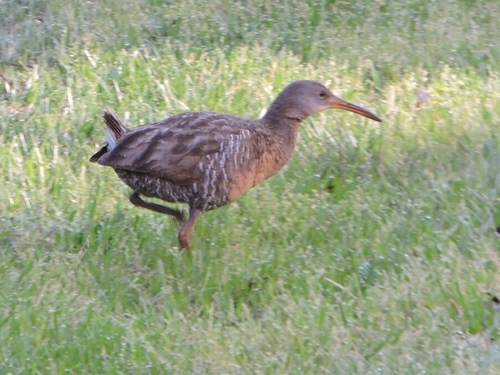
Both species have similar plumage, but Clapper Rail males are slightly brighter. Ridgway's Rail tends to have a more uniform grayish-brown appearance, while Clapper Rail may show more variation in color depending on the subspecies.

Behaviour

Both species assist in incubation and brood-rearing. Clapper Rail is known for its ability to renest multiple times after nest failure.

Habitat

Ridgway's Rail inhabits coastal saltmarshes and freshwater marshes in the southwestern U.S. and northwestern Mexico. Clapper Rail is found in saltmarshes along the Atlantic and Gulf coasts, with some populations migrating south in winter.

Voice

Clapper Rail is named for its loud, clapping calls, which are often heard in its habitat. Ridgway's Rail also vocalizes but is less known for distinctive calls.

Submit a better description

Use the same sections as the comparison. Your text is published immediately.

Ridgway's Rail and Clapper Rail are closely related and were once considered the same species. They are best distinguished by their habitat preferences and subtle differences in plumage and vocalizations. Ridgway's Rail is typically found in the southwestern U.S. and northwestern Mexico, while Clapper Rail is more common along the Atlantic and Gulf coasts.

1. Habitat: Check the location; Ridgway's Rail is more likely in the southwestern U.S. and northwestern Mexico, while Clapper Rail is found along the Atlantic and Gulf coasts. 2. Plumage: Look for subtle differences in brightness; Clapper Rail males may appear slightly brighter. 3. Vocalizations: Listen for the loud clapping calls of the Clapper Rail. 4. Behavior: Note any renesting behavior, which is more typical of Clapper Rail.

Both species are similar in size, with males generally larger than females in each species.

Both species have similar plumage, but Clapper Rail males are slightly brighter. Ridgway's Rail tends to have a more uniform grayish-brown appearance, while Clapper Rail may show more variation in color depending on the subspecies.

Both species assist in incubation and brood-rearing. Clapper Rail is known for its ability to renest multiple times after nest failure.

Ridgway's Rail inhabits coastal saltmarshes and freshwater marshes in the southwestern U.S. and northwestern Mexico. Clapper Rail is found in saltmarshes along the Atlantic and Gulf coasts, with some populations migrating south in winter.

Clapper Rail is named for its loud, clapping calls, which are often heard in its habitat. Ridgway's Rail also vocalizes but is less known for distinctive calls.

Discard your changes?

You have unsaved edits. If you leave now, those changes will be lost.

Ridgway's Rail · Clapper Rail · My Tricky Birds