Birdr

Ring-necked Dove vs Dideric Cuckoo

Streptopelia capicola versus Chrysococcyx caprius

Play a quiz with Ring-necked Dove and Dideric Cuckoo
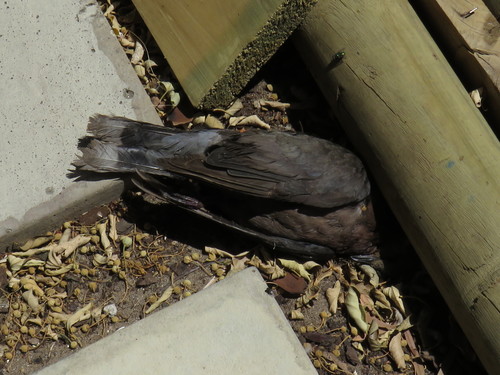
Ring-necked Dove (Streptopelia capicola) Ring-necked Dove
Dideric Cuckoo (Chrysococcyx caprius) Dideric Cuckoo

Media

Loading…

In short

Ring-necked Doves and Dideric Cuckoos are distinct in both appearance and behavior. The Ring-necked Dove is a medium-sized, pale gray dove with a distinctive black neck ring, while the Dideric Cuckoo is a smaller bird with iridescent green upperparts and a white underside. Their vocalizations and habitats also differ significantly.

Identification tips

  1. Look for the black neck ring on the Ring-necked Dove; the Dideric Cuckoo lacks this feature. 2. Note the iridescent green upperparts of the Dideric Cuckoo. 3. Listen for the cooing of the dove versus the 'dee-dee-dee' call of the cuckoo. 4. Observe behavior: doves are often in pairs or flocks, while cuckoos are solitary. 5. Consider habitat: doves are common in urban areas, cuckoos near water.

Size

The Ring-necked Dove is larger, typically around 30 cm in length, whereas the Dideric Cuckoo is smaller, about 20 cm long.

Plumage

Ring-necked Doves have a pale gray body with a characteristic black half-collar on the back of the neck. In contrast, Dideric Cuckoos have striking iridescent green upperparts and a white belly, with no neck ring.

Behaviour

Ring-necked Doves are often seen in pairs or small flocks, feeding on the ground. Dideric Cuckoos are more solitary and are known for their brood parasitism, often seen perched quietly in trees.

Habitat

Ring-necked Doves prefer open woodlands, savannas, and urban areas. Dideric Cuckoos are found in a variety of habitats, including woodlands, savannas, and gardens, often near water.

Voice

The Ring-necked Dove has a distinctive, rhythmic 'cooing' sound. The Dideric Cuckoo's call is a repetitive 'dee-dee-dee' which is quite different from the dove's cooing.

Submit a better description

Use the same sections as the comparison. Your text is published immediately.

Ring-necked Doves and Dideric Cuckoos are distinct in both appearance and behavior. The Ring-necked Dove is a medium-sized, pale gray dove with a distinctive black neck ring, while the Dideric Cuckoo is a smaller bird with iridescent green upperparts and a white underside. Their vocalizations and habitats also differ significantly.

  1. Look for the black neck ring on the Ring-necked Dove; the Dideric Cuckoo lacks this feature. 2. Note the iridescent green upperparts of the Dideric Cuckoo. 3. Listen for the cooing of the dove versus the 'dee-dee-dee' call of the cuckoo. 4. Observe behavior: doves are often in pairs or flocks, while cuckoos are solitary. 5. Consider habitat: doves are common in urban areas, cuckoos near water.

The Ring-necked Dove is larger, typically around 30 cm in length, whereas the Dideric Cuckoo is smaller, about 20 cm long.

Ring-necked Doves have a pale gray body with a characteristic black half-collar on the back of the neck. In contrast, Dideric Cuckoos have striking iridescent green upperparts and a white belly, with no neck ring.

Ring-necked Doves are often seen in pairs or small flocks, feeding on the ground. Dideric Cuckoos are more solitary and are known for their brood parasitism, often seen perched quietly in trees.

Ring-necked Doves prefer open woodlands, savannas, and urban areas. Dideric Cuckoos are found in a variety of habitats, including woodlands, savannas, and gardens, often near water.

The Ring-necked Dove has a distinctive, rhythmic 'cooing' sound. The Dideric Cuckoo's call is a repetitive 'dee-dee-dee' which is quite different from the dove's cooing.

Discard your changes?

You have unsaved edits. If you leave now, those changes will be lost.

Ring-necked Dove · Dideric Cuckoo · My Tricky Birds