Birdr

Rock Ptarmigan vs Black Grouse

Lagopus muta versus Lyrurus tetrix

Play a quiz with Rock Ptarmigan and Black Grouse
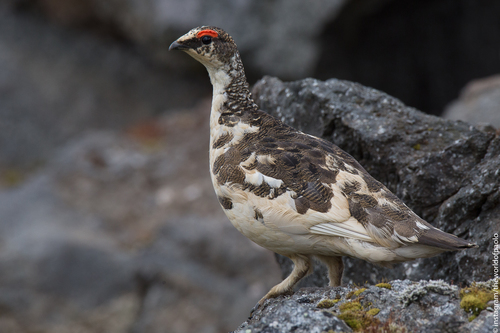
Rock Ptarmigan (Lagopus muta) Rock Ptarmigan
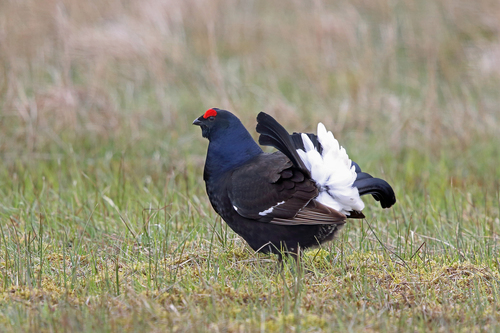
Black Grouse (Lyrurus tetrix) Black Grouse

Media

Loading…

In short

Rock Ptarmigan and Black Grouse are both ground-dwelling birds found in similar habitats, but they differ significantly in size and plumage. Rock Ptarmigan undergo seasonal plumage changes, while Black Grouse males are distinct with their black plumage and lyre-shaped tails.

Identification tips

  1. Size: Black Grouse are larger. 2. Plumage: In winter, Rock Ptarmigan are white; in summer, they turn brown. Black Grouse males are always black with a lyre-shaped tail. 3. Behavior: Look for lekking in Black Grouse. 4. Habitat: Consider the environment; Rock Ptarmigan prefer more alpine settings.

Size

Black Grouse are larger and more robust than Rock Ptarmigan.

Plumage

Rock Ptarmigan have a dramatic seasonal plumage change from white in winter to brown in summer, with females camouflaged during nesting. Black Grouse males are black with a distinctive lyre-shaped tail, while females are mottled brown.

Behaviour

Rock Ptarmigan males are conspicuous during the breeding season, while females are well-camouflaged on nests. Black Grouse are known for their lekking behavior, where males display in groups to attract females.

Habitat

Both species inhabit open, upland areas, but Rock Ptarmigan are more often found in arctic and alpine environments, whereas Black Grouse prefer moorlands and forest edges.

Voice

Black Grouse are known for their bubbling calls during lekking displays, while Rock Ptarmigan vocalizations are less documented and not as distinctive.

Submit a better description

Use the same sections as the comparison. Your text is published immediately.

Rock Ptarmigan and Black Grouse are both ground-dwelling birds found in similar habitats, but they differ significantly in size and plumage. Rock Ptarmigan undergo seasonal plumage changes, while Black Grouse males are distinct with their black plumage and lyre-shaped tails.

  1. Size: Black Grouse are larger. 2. Plumage: In winter, Rock Ptarmigan are white; in summer, they turn brown. Black Grouse males are always black with a lyre-shaped tail. 3. Behavior: Look for lekking in Black Grouse. 4. Habitat: Consider the environment; Rock Ptarmigan prefer more alpine settings.

Black Grouse are larger and more robust than Rock Ptarmigan.

Rock Ptarmigan have a dramatic seasonal plumage change from white in winter to brown in summer, with females camouflaged during nesting. Black Grouse males are black with a distinctive lyre-shaped tail, while females are mottled brown.

Rock Ptarmigan males are conspicuous during the breeding season, while females are well-camouflaged on nests. Black Grouse are known for their lekking behavior, where males display in groups to attract females.

Both species inhabit open, upland areas, but Rock Ptarmigan are more often found in arctic and alpine environments, whereas Black Grouse prefer moorlands and forest edges.

Black Grouse are known for their bubbling calls during lekking displays, while Rock Ptarmigan vocalizations are less documented and not as distinctive.

Discard your changes?

You have unsaved edits. If you leave now, those changes will be lost.

Rock Ptarmigan · Black Grouse · My Tricky Birds