Rose-coloured Starling vs White-cheeked Starling
Pastor roseus versus Spodiopsar cineraceus
Play a quiz with Rose-coloured Starling and White-cheeked Starling
Rose-coloured Starling
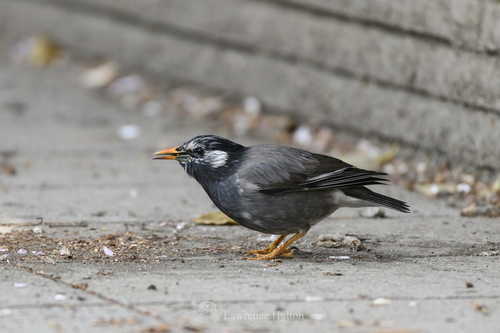
White-cheeked Starling
In short
The Rose-coloured Starling is best identified by its striking pink body and contrasting black head and wings, while the White-cheeked Starling has a more subdued gray-brown plumage with a distinctive white cheek patch. Both species are starlings, but their coloration and geographical range are the most reliable field marks for differentiation.
Identification tips
- Coloration: Look for the pink body of the Rose-coloured Starling versus the gray-brown body with a white cheek of the White-cheeked Starling.
- Head Markings: The Rose-coloured Starling has a black head, while the White-cheeked Starling has a white cheek patch.
- Geographical Range: Consider the location; Rose-coloured Starlings are more likely in Europe and Central Asia, while White-cheeked Starlings are found in East Asia.
- Season: Be aware of migratory patterns, as Rose-coloured Starlings are more migratory.
Size
Both species are similar in size, typical of medium-sized starlings.
Plumage
The Rose-coloured Starling features a unique pink body with black head, wings, and tail, while the White-cheeked Starling has a gray-brown body with a prominent white cheek patch and darker wings.
Behaviour
Both species exhibit typical starling behavior, such as foraging in flocks and displaying gregariousness, but the Rose-coloured Starling is more migratory.
Habitat
Rose-coloured Starlings are often found in open areas and steppe regions, while White-cheeked Starlings prefer urban areas, farmlands, and open woodlands.
Voice
Both species have typical starling calls, but specific differences in song are not well-documented.
Rose-coloured Starling · White-cheeked Starling · My Tricky Birds