Birdr

Ross's Gull vs Ivory Gull

Rhodostethia rosea versus Pagophila eburnea

Play a quiz with Ross's Gull and Ivory Gull
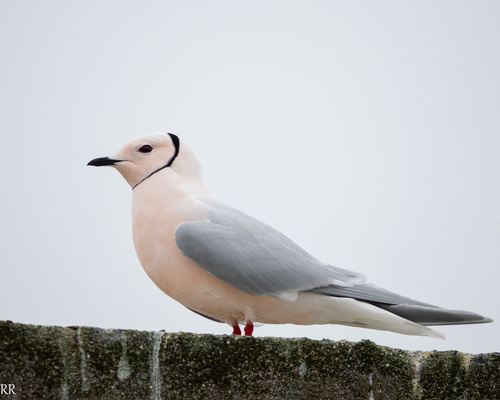
Ross's Gull (Rhodostethia rosea) Ross's Gull
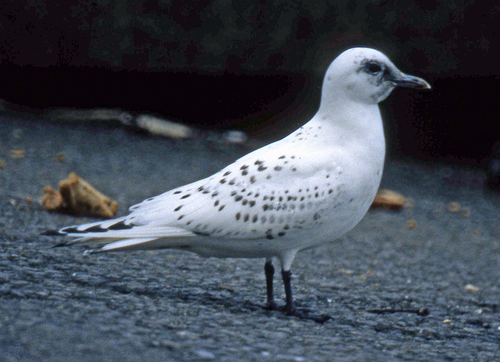
Ivory Gull (Pagophila eburnea) Ivory Gull

Media

Loading…

In short

Ross's Gull and Ivory Gull can be distinguished by their size and plumage. Ross's Gull is smaller with a delicate appearance and a distinctive wedge-shaped tail, while Ivory Gull is larger, all-white, and more robust. Both species inhabit Arctic regions, but their behaviors and habitats differ slightly.

Identification tips

  1. Size and Shape: Look for the smaller size and wedge-shaped tail of Ross's Gull versus the larger, robust Ivory Gull. 2. Plumage: Note the pale pinkish hue and black collar of Ross's Gull in breeding season, contrasting with the all-white Ivory Gull. 3. Habitat: Consider the habitat; Ross's Gull is more often near open water, while Ivory Gull is typically found in pack ice regions.

Size

Ross's Gull is smaller and more delicate compared to the larger and more robust Ivory Gull.

Plumage

Ross's Gull has a pale pinkish hue with a distinctive wedge-shaped tail and black collar during breeding season. Ivory Gull is entirely white with a black eye and bill, lacking the pinkish tone of Ross's Gull.

Behaviour

Ivory Gull is an opportunistic and aggressive feeder, often seen in pack ice habitats. Ross's Gull is more delicate in behavior, often seen feeding in open water or along shorelines.

Habitat

Both species are found in Arctic regions, but Ross's Gull is more likely to be seen near open water and shorelines, while Ivory Gull is associated with pack ice and high Arctic environments.

Voice

Vocalizations are not a primary distinguishing feature in the field for these species.

Submit a better description

Use the same sections as the comparison. Your text is published immediately.

Ross's Gull and Ivory Gull can be distinguished by their size and plumage. Ross's Gull is smaller with a delicate appearance and a distinctive wedge-shaped tail, while Ivory Gull is larger, all-white, and more robust. Both species inhabit Arctic regions, but their behaviors and habitats differ slightly.

  1. Size and Shape: Look for the smaller size and wedge-shaped tail of Ross's Gull versus the larger, robust Ivory Gull. 2. Plumage: Note the pale pinkish hue and black collar of Ross's Gull in breeding season, contrasting with the all-white Ivory Gull. 3. Habitat: Consider the habitat; Ross's Gull is more often near open water, while Ivory Gull is typically found in pack ice regions.

Ross's Gull is smaller and more delicate compared to the larger and more robust Ivory Gull.

Ross's Gull has a pale pinkish hue with a distinctive wedge-shaped tail and black collar during breeding season. Ivory Gull is entirely white with a black eye and bill, lacking the pinkish tone of Ross's Gull.

Ivory Gull is an opportunistic and aggressive feeder, often seen in pack ice habitats. Ross's Gull is more delicate in behavior, often seen feeding in open water or along shorelines.

Both species are found in Arctic regions, but Ross's Gull is more likely to be seen near open water and shorelines, while Ivory Gull is associated with pack ice and high Arctic environments.

Vocalizations are not a primary distinguishing feature in the field for these species.

Discard your changes?

You have unsaved edits. If you leave now, those changes will be lost.

Ross's Gull · Ivory Gull · My Tricky Birds