Birdr

Rosy Pipit vs Pechora Pipit

Anthus roseatus versus Anthus gustavi

Play a quiz with Rosy Pipit and Pechora Pipit
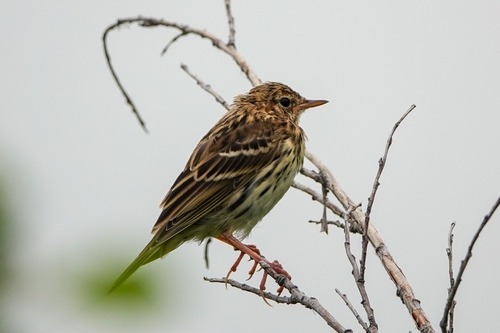
Rosy Pipit (Anthus roseatus) Rosy Pipit
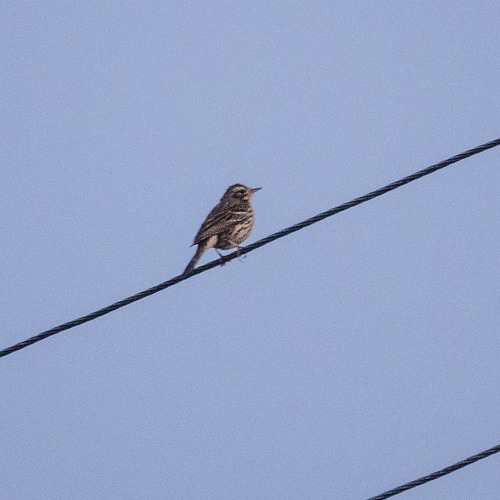
Pechora Pipit (Anthus gustavi) Pechora Pipit

Media

Loading…

In short

The Rosy Pipit and Pechora Pipit can be challenging to differentiate, but key differences lie in their plumage and habitat preferences. Rosy Pipits typically have a more pronounced pinkish hue, while Pechora Pipits show more streaking and are often found in denser vegetation.

Identification tips

  1. Look for the pinkish wash on Rosy Pipits, especially in breeding plumage. 2. Note the habitat: Rosy Pipits in open areas, Pechora Pipits in denser vegetation. 3. Listen for differences in song and call, though this requires practice. 4. Check for more defined streaking and supercilium in Pechora Pipits.

Size

Both species are similar in size, typical of pipits, with no significant size difference to aid identification.

Plumage

Rosy Pipits display a subtle rosy or pinkish wash on their underparts, especially in breeding plumage, while Pechora Pipits have more pronounced streaking on the breast and flanks. Pechora Pipits also tend to have a more defined supercilium.

Behaviour

Both species exhibit typical pipit behavior, such as walking on the ground and bobbing their tails. Behavioral differences are not a reliable field mark.

Habitat

Rosy Pipits are often found in open, grassy areas at higher elevations, while Pechora Pipits prefer denser, marshy, or shrubby habitats, often near water.

Voice

Vocalizations can be a useful differentiator; Rosy Pipits have a more musical song, while Pechora Pipits' calls are sharper and more metallic. However, these differences can be subtle and require experience to discern.

Submit a better description

Use the same sections as the comparison. Your text is published immediately.

The Rosy Pipit and Pechora Pipit can be challenging to differentiate, but key differences lie in their plumage and habitat preferences. Rosy Pipits typically have a more pronounced pinkish hue, while Pechora Pipits show more streaking and are often found in denser vegetation.

  1. Look for the pinkish wash on Rosy Pipits, especially in breeding plumage. 2. Note the habitat: Rosy Pipits in open areas, Pechora Pipits in denser vegetation. 3. Listen for differences in song and call, though this requires practice. 4. Check for more defined streaking and supercilium in Pechora Pipits.

Both species are similar in size, typical of pipits, with no significant size difference to aid identification.

Rosy Pipits display a subtle rosy or pinkish wash on their underparts, especially in breeding plumage, while Pechora Pipits have more pronounced streaking on the breast and flanks. Pechora Pipits also tend to have a more defined supercilium.

Both species exhibit typical pipit behavior, such as walking on the ground and bobbing their tails. Behavioral differences are not a reliable field mark.

Rosy Pipits are often found in open, grassy areas at higher elevations, while Pechora Pipits prefer denser, marshy, or shrubby habitats, often near water.

Vocalizations can be a useful differentiator; Rosy Pipits have a more musical song, while Pechora Pipits' calls are sharper and more metallic. However, these differences can be subtle and require experience to discern.

Discard your changes?

You have unsaved edits. If you leave now, those changes will be lost.

Rosy Pipit · Pechora Pipit · My Tricky Birds