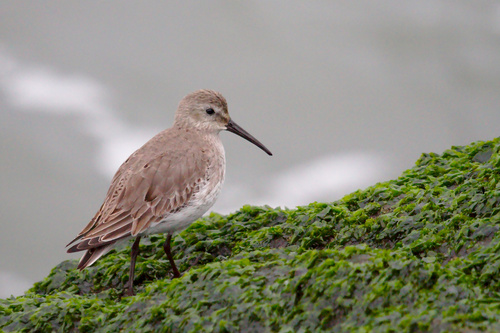
Ruff vs Dunlin
Calidris pugnax versus Calidris alpina
Play a quiz with Ruff and Dunlin
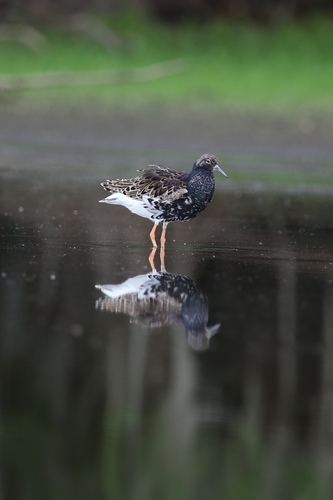
Ruff
Dunlin
In short
The Ruff and Dunlin can be distinguished by their size, bill shape, and plumage patterns. Ruffs are larger and have a more variable plumage, especially during the breeding season, while Dunlins are smaller with a distinctive black belly patch in breeding plumage.
Identification tips
- Size and Shape: Look for the larger size and bulkier build of the Ruff compared to the smaller, more compact Dunlin. 2. Bill Shape: Ruff has a slightly shorter, more robust bill, while Dunlin's bill is longer and slightly decurved. 3. Breeding Plumage: In breeding season, check for the Ruff's variable plumage and elaborate ruffs versus the Dunlin's consistent black belly patch. 4. Flocking Behavior: Observe flock size and formation; Dunlins often form larger, denser flocks. 5. Habitat Preference: Consider the habitat; Dunlins are more coastal, whereas Ruffs can be found in a wider range of wetland habitats.
Size
Ruff is noticeably larger than Dunlin, with a bulkier body and longer legs.
Plumage
Ruff has highly variable plumage, especially in males during the breeding season, with ornate ruffs and tufts. Dunlin has a more consistent plumage with a distinctive black belly patch during breeding and a gray, nondescript appearance in winter.
Behaviour
Ruffs are often seen in smaller, loose flocks and can display elaborate courtship behaviors. Dunlins tend to form large, tight flocks, especially in winter.
Habitat
Both species are found in wetland habitats, but Dunlins are more closely tied to coastal and intertidal areas, while Ruffs can also be found in inland marshes and wet meadows.
Voice
Ruff vocalizations are less frequently heard and not as distinctive as Dunlin's, which has a more recognizable trilling call.