Birdr

Rufous-bellied Niltava vs Chinese Vivid Niltava

Niltava sundara versus Niltava oatesi

Play a quiz with Rufous-bellied Niltava and Chinese Vivid Niltava
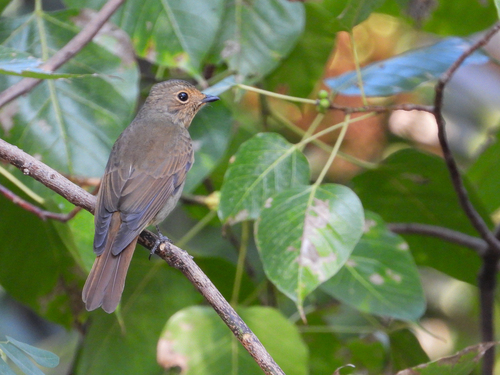
Rufous-bellied Niltava (Niltava sundara) Rufous-bellied Niltava
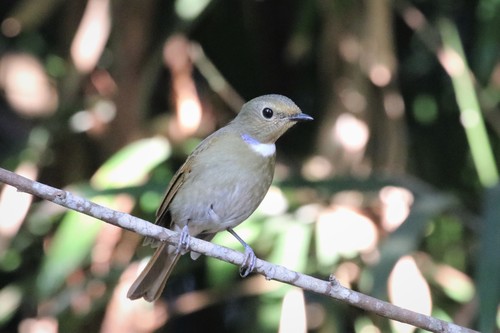
Chinese Vivid Niltava (Niltava oatesi) Chinese Vivid Niltava

Media

Loading…

In short

The Rufous-bellied Niltava and Chinese Vivid Niltava are both strikingly colored flycatchers, but can be distinguished by their plumage and habitat preferences. The Rufous-bellied Niltava has a more extensive rufous coloration on its underparts, while the Chinese Vivid Niltava is known for its vivid blue plumage and is a longer-distance migrant.

Identification tips

  1. Look for rufous underparts: Rufous-bellied Niltava has more extensive rufous on the belly and flanks. 2. Check the blue intensity: Chinese Vivid Niltava has a more vivid blue overall plumage. 3. Consider location: If in southwest China or Southeast Asia, consider Chinese Vivid Niltava, especially during migration. 4. Listen for song differences: While not well-documented, song differences may help, especially in areas where both species overlap.

Size

Both species are similar in size, typical of small flycatchers, but specific size differences are not well-documented.

Plumage

The Rufous-bellied Niltava has a distinctive rufous belly and flanks, contrasting with its blue upperparts. In contrast, the Chinese Vivid Niltava is noted for its more vivid blue overall plumage, with less rufous on the underparts.

Behaviour

Both species exhibit typical flycatcher behavior, such as sallying for insects, but specific behavioral differences are not well-documented.

Habitat

The Rufous-bellied Niltava is often found in subtropical or tropical moist montane forests, while the Chinese Vivid Niltava is primarily located in southwest China and migrates to Southeast Asia, favoring similar forested habitats.

Voice

Vocalizations are not well-documented for these species, but differences in song and call may exist, particularly since the Chinese Vivid Niltava was split from a related species due to differences in song.

Submit a better description

Use the same sections as the comparison. Your text is published immediately.

The Rufous-bellied Niltava and Chinese Vivid Niltava are both strikingly colored flycatchers, but can be distinguished by their plumage and habitat preferences. The Rufous-bellied Niltava has a more extensive rufous coloration on its underparts, while the Chinese Vivid Niltava is known for its vivid blue plumage and is a longer-distance migrant.

  1. Look for rufous underparts: Rufous-bellied Niltava has more extensive rufous on the belly and flanks. 2. Check the blue intensity: Chinese Vivid Niltava has a more vivid blue overall plumage. 3. Consider location: If in southwest China or Southeast Asia, consider Chinese Vivid Niltava, especially during migration. 4. Listen for song differences: While not well-documented, song differences may help, especially in areas where both species overlap.

Both species are similar in size, typical of small flycatchers, but specific size differences are not well-documented.

The Rufous-bellied Niltava has a distinctive rufous belly and flanks, contrasting with its blue upperparts. In contrast, the Chinese Vivid Niltava is noted for its more vivid blue overall plumage, with less rufous on the underparts.

Both species exhibit typical flycatcher behavior, such as sallying for insects, but specific behavioral differences are not well-documented.

The Rufous-bellied Niltava is often found in subtropical or tropical moist montane forests, while the Chinese Vivid Niltava is primarily located in southwest China and migrates to Southeast Asia, favoring similar forested habitats.

Vocalizations are not well-documented for these species, but differences in song and call may exist, particularly since the Chinese Vivid Niltava was split from a related species due to differences in song.

Discard your changes?

You have unsaved edits. If you leave now, those changes will be lost.

Rufous-bellied Niltava · Chinese Vivid Niltava · My Tricky Birds