Birdr

Rufous-bellied Seedsnipe vs Least Seedsnipe

Attagis gayi versus Thinocorus rumicivorus

Play a quiz with Rufous-bellied Seedsnipe and Least Seedsnipe
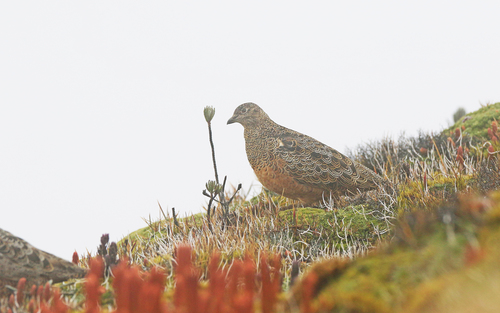
Rufous-bellied Seedsnipe (Attagis gayi) Rufous-bellied Seedsnipe
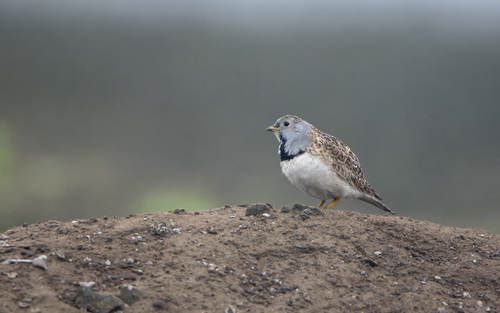
Least Seedsnipe (Thinocorus rumicivorus) Least Seedsnipe

Media

Loading…

In short

The Rufous-bellied Seedsnipe and Least Seedsnipe can be differentiated by size and habitat preferences. Rufous-bellied Seedsnipe is larger and found in high-altitude regions, while Least Seedsnipe is smaller and occupies lower, drier areas. Both species have cryptic plumage, but their size and habitat are key identifiers.

Identification tips

Size and habitat are the most reliable field marks: look for the larger size and high-altitude habitat of the Rufous-bellied Seedsnipe. Plumage can be variable, but note the richer tones of the Rufous-bellied in the north. Behavior such as the Least Seedsnipe's flight displays can also aid identification.

Size

Rufous-bellied Seedsnipe is significantly larger than the Least Seedsnipe.

Plumage

Rufous-bellied Seedsnipe has variable plumage with rich ferruginous tones below in the north, and pale cinnamon tones in the south. Least Seedsnipe has more uniform and less variable plumage, often appearing grayish or sandy.

Behaviour

Rufous-bellied Seedsnipe often walks in a crouched manner and is usually seen in pairs or small groups. Least Seedsnipe males perform flight displays during the breeding season.

Habitat

Rufous-bellied Seedsnipe inhabits high-altitude wetlands and rocky areas, while Least Seedsnipe is found in lower, drier regions with sparse vegetation.

Voice

Least Seedsnipe males sing from high perches or during flight displays, producing a mix of chuckling notes and whistles. Rufous-bellied Seedsnipe's vocalizations are not well-documented.

Submit a better description

Use the same sections as the comparison. Your text is published immediately.

The Rufous-bellied Seedsnipe and Least Seedsnipe can be differentiated by size and habitat preferences. Rufous-bellied Seedsnipe is larger and found in high-altitude regions, while Least Seedsnipe is smaller and occupies lower, drier areas. Both species have cryptic plumage, but their size and habitat are key identifiers.

Size and habitat are the most reliable field marks: look for the larger size and high-altitude habitat of the Rufous-bellied Seedsnipe. Plumage can be variable, but note the richer tones of the Rufous-bellied in the north. Behavior such as the Least Seedsnipe's flight displays can also aid identification.

Rufous-bellied Seedsnipe is significantly larger than the Least Seedsnipe.

Rufous-bellied Seedsnipe has variable plumage with rich ferruginous tones below in the north, and pale cinnamon tones in the south. Least Seedsnipe has more uniform and less variable plumage, often appearing grayish or sandy.

Rufous-bellied Seedsnipe often walks in a crouched manner and is usually seen in pairs or small groups. Least Seedsnipe males perform flight displays during the breeding season.

Rufous-bellied Seedsnipe inhabits high-altitude wetlands and rocky areas, while Least Seedsnipe is found in lower, drier regions with sparse vegetation.

Least Seedsnipe males sing from high perches or during flight displays, producing a mix of chuckling notes and whistles. Rufous-bellied Seedsnipe's vocalizations are not well-documented.

Discard your changes?

You have unsaved edits. If you leave now, those changes will be lost.

Rufous-bellied Seedsnipe · Least Seedsnipe · My Tricky Birds