Birdr

Rufous Nightjar vs Eastern Whip-poor-will

Antrostomus rufus versus Antrostomus vociferus

Play a quiz with Rufous Nightjar and Eastern Whip-poor-will
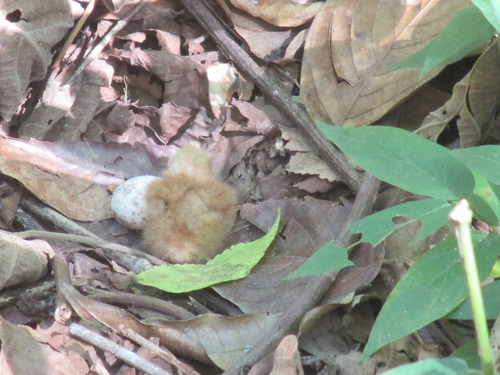
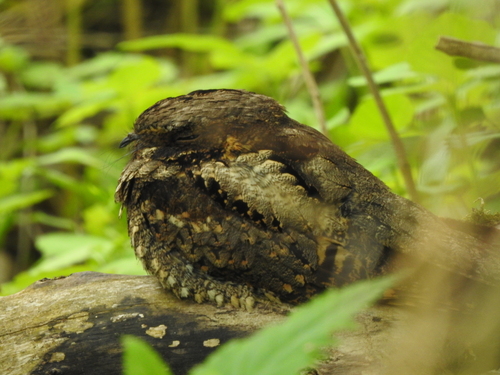
Rufous Nightjar (Antrostomus rufus) Rufous Nightjar
Eastern Whip-poor-will (Antrostomus vociferus) Eastern Whip-poor-will

Media

Loading…

In short

The Rufous Nightjar and Eastern Whip-poor-will are both members of the nightjar family, but they can be distinguished by their vocalizations and geographic range. The Rufous Nightjar is found in southern Central America and parts of South America, while the Eastern Whip-poor-will is native to North America. Their calls are a key differentiator, with the Eastern Whip-poor-will known for its distinctive "WHIP-poor-WILL" song.

Identification tips

  1. Listen for calls: The Eastern Whip-poor-will's "WHIP-poor-WILL" call is a strong identifier. 2. Geographic location: Consider the bird's range; Rufous Nightjar is in Central and South America, while Eastern Whip-poor-will is in North America. 3. Plumage patterns: Look for the more rufous tones in Rufous Nightjar versus the contrasting browns and grays of the Eastern Whip-poor-will.

Size

Both species are similar in size, typical of nightjars, with no significant size difference to aid in field identification.

Plumage

Rufous Nightjar has a more uniformly rufous-brown plumage, whereas the Eastern Whip-poor-will displays more contrasting patterns with a mix of browns and grays. Both species exhibit cryptic plumage suited for camouflage.

Behaviour

Both species are nocturnal and crepuscular, becoming active at dusk. The Eastern Whip-poor-will is known for its ground-nesting behavior and reliance on moonlight for foraging, while similar behaviors are expected in the Rufous Nightjar.

Habitat

Rufous Nightjar inhabits tropical and subtropical regions in Central and South America, while the Eastern Whip-poor-will is found in deciduous and mixed forests across North America. Habitat overlap is unlikely.

Voice

The Eastern Whip-poor-will's call is a repetitive "WHIP-poor-WILL," which is distinctive and easily recognizable. The Rufous Nightjar's vocalizations are less well-documented but are not known to match the Whip-poor-will's distinctive call.

Submit a better description

Use the same sections as the comparison. Your text is published immediately.

The Rufous Nightjar and Eastern Whip-poor-will are both members of the nightjar family, but they can be distinguished by their vocalizations and geographic range. The Rufous Nightjar is found in southern Central America and parts of South America, while the Eastern Whip-poor-will is native to North America. Their calls are a key differentiator, with the Eastern Whip-poor-will known for its distinctive "WHIP-poor-WILL" song.

  1. Listen for calls: The Eastern Whip-poor-will's "WHIP-poor-WILL" call is a strong identifier. 2. Geographic location: Consider the bird's range; Rufous Nightjar is in Central and South America, while Eastern Whip-poor-will is in North America. 3. Plumage patterns: Look for the more rufous tones in Rufous Nightjar versus the contrasting browns and grays of the Eastern Whip-poor-will.

Both species are similar in size, typical of nightjars, with no significant size difference to aid in field identification.

Rufous Nightjar has a more uniformly rufous-brown plumage, whereas the Eastern Whip-poor-will displays more contrasting patterns with a mix of browns and grays. Both species exhibit cryptic plumage suited for camouflage.

Both species are nocturnal and crepuscular, becoming active at dusk. The Eastern Whip-poor-will is known for its ground-nesting behavior and reliance on moonlight for foraging, while similar behaviors are expected in the Rufous Nightjar.

Rufous Nightjar inhabits tropical and subtropical regions in Central and South America, while the Eastern Whip-poor-will is found in deciduous and mixed forests across North America. Habitat overlap is unlikely.

The Eastern Whip-poor-will's call is a repetitive "WHIP-poor-WILL," which is distinctive and easily recognizable. The Rufous Nightjar's vocalizations are less well-documented but are not known to match the Whip-poor-will's distinctive call.

Discard your changes?

You have unsaved edits. If you leave now, those changes will be lost.

Rufous Nightjar · Eastern Whip-poor-will · My Tricky Birds