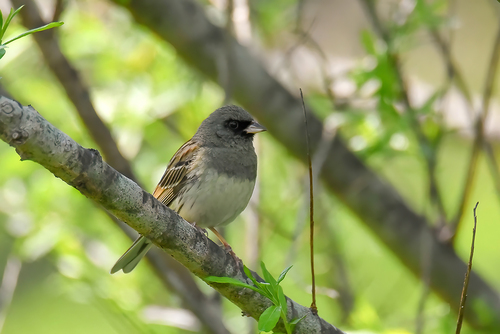
Rustic Bunting vs Black-faced Bunting
Emberiza rustica versus Emberiza spodocephala
Play a quiz with Rustic Bunting and Black-faced Bunting
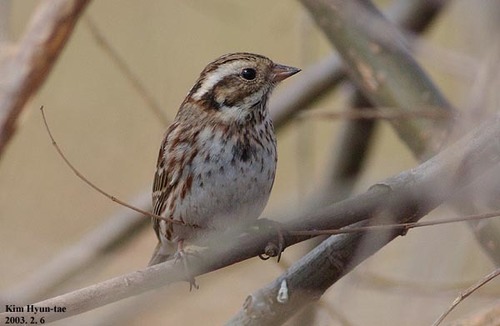
Rustic Bunting
Black-faced Bunting
In short
The Rustic Bunting and Black-faced Bunting are both Old World buntings with some overlapping features, but they can be distinguished by their plumage and bill structure. The Rustic Bunting has a more pronounced supercilium and a less streaked appearance compared to the heavily streaked Black-faced Bunting.
Identification tips
- Look for the pronounced white supercilium in Rustic Bunting. 2. Note the heavily streaked appearance and gray head of the Black-faced Bunting. 3. Observe the bill structure: Rustic Bunting has a slightly more robust bill compared to the Black-faced Bunting's comparatively slight bill. 4. Consider habitat: Rustic Bunting is more likely in open woodlands, while Black-faced Bunting can be found in a broader range of habitats.
Size
Both species are similar in size, typical of small buntings.
Plumage
Rustic Bunting features a more pronounced white supercilium and less streaked underparts, while the Black-faced Bunting has a gray head and breast with rich brown upperparts and broad black streaking. The Black-faced Bunting's underparts can be whitish or yellow, becoming more yellow in eastern populations.
Behaviour
Both species exhibit typical bunting behavior, often seen foraging on the ground or in low vegetation.
Habitat
Rustic Bunting prefers open woodlands and forest edges, while Black-faced Bunting is found in a wider range of habitats including eastern and southern China, Taiwan, and northern Indochina.
Voice
Vocalizations are not distinctly covered in the sources, but both species have typical bunting calls.