
Rustic Bunting vs White-throated Sparrow
Emberiza rustica versus Zonotrichia albicollis
Play a quiz with Rustic Bunting and White-throated Sparrow
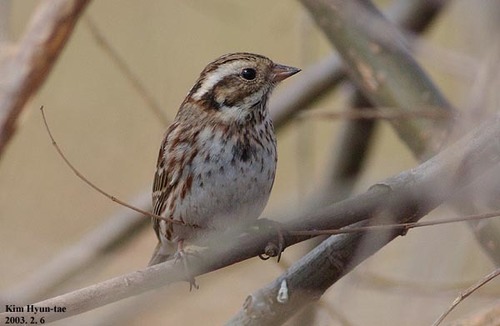
Rustic Bunting
White-throated Sparrow
In short
The Rustic Bunting and White-throated Sparrow can be differentiated by their distinct plumage and habitat preferences. The Rustic Bunting has a more streaked appearance with a distinct facial pattern, while the White-throated Sparrow is known for its white throat and crown stripes. Habitat can also be a clue, as the Rustic Bunting is more often found in open woodlands, whereas the White-throated Sparrow prefers shrubby edges and forest openings.
Identification tips
- Look for the white throat and crown stripes in the White-throated Sparrow.
- Note the streaked appearance and facial pattern of the Rustic Bunting.
- Consider the habitat: open woodlands for Rustic Bunting, shrubby edges for White-throated Sparrow.
- Listen for the White-throated Sparrow's distinctive song if vocalizations are heard.
Size
Both species are small passerines, but the White-throated Sparrow is generally slightly larger and more robust than the Rustic Bunting.
Plumage
The Rustic Bunting has a streaked brown back and a distinctive facial pattern with a dark crown and eye stripe. The White-throated Sparrow exhibits plumage polymorphism with two morphs: white-striped and tan-striped, both featuring a clear white throat and contrasting crown stripes.
Behaviour
White-throated Sparrows show notable behavioral differences between their morphs, with white-striped individuals being more aggressive and vocal. Rustic Buntings do not exhibit such polymorphism-related behavioral differences.
Habitat
Rustic Buntings are typically found in open woodlands and forest edges, while White-throated Sparrows prefer shrubby edges or early successional stages in forests.
Voice
White-throated Sparrows are known for their clear, whistled song, which is quite different from the Rustic Bunting's song, though specific details on the latter's vocalizations are less documented.