Birdr

Sharpbill vs Wing-barred Piprites

Oxyruncus cristatus versus Piprites chloris

Play a quiz with Sharpbill and Wing-barred Piprites
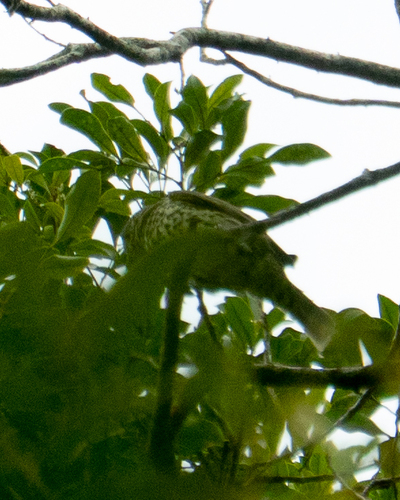
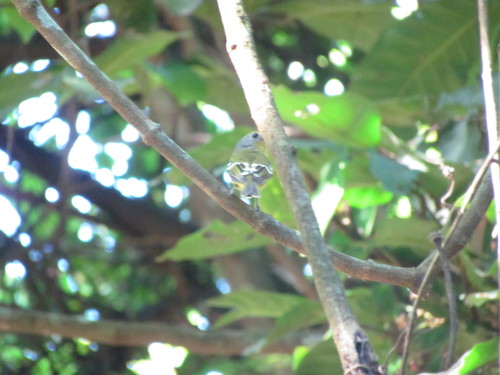
Sharpbill (Oxyruncus cristatus) Sharpbill
Wing-barred Piprites (Piprites chloris) Wing-barred Piprites

Media

Loading…

In short

The Sharpbill and Wing-barred Piprites can be distinguished by their structure and plumage. The Sharpbill has a distinctive crest and more elongated shape, while the Wing-barred Piprites is more rotund with a short tail and bill. Both species inhabit forest canopies but differ in their vocalizations and specific plumage details.

Identification tips

  1. Look for the crest on the Sharpbill, absent in the Wing-barred Piprites. 2. Note the wing bars on the Wing-barred Piprites, which are not present on the Sharpbill. 3. Observe the overall shape: elongated for Sharpbill, rotund for Wing-barred Piprites. 4. Listen for distinct vocalizations, as these may aid in identification.

Size

The Sharpbill is more elongated compared to the rotund Wing-barred Piprites.

Plumage

The Sharpbill features a distinctive crest and generally more uniform plumage. In contrast, the Wing-barred Piprites has prominent wing bars and a more varied plumage pattern resembling a tyrannid or vireo.

Behaviour

Both species are canopy dwellers, but the Sharpbill may be more solitary, while the Wing-barred Piprites can be seen in mixed-species flocks.

Habitat

Both species inhabit humid primary and older secondary forests across South America, often in the canopy.

Voice

Vocalizations differ, but specific details are not provided in the sources. Observers should listen for distinct calls when identifying these species.

Submit a better description

Use the same sections as the comparison. Your text is published immediately.

The Sharpbill and Wing-barred Piprites can be distinguished by their structure and plumage. The Sharpbill has a distinctive crest and more elongated shape, while the Wing-barred Piprites is more rotund with a short tail and bill. Both species inhabit forest canopies but differ in their vocalizations and specific plumage details.

  1. Look for the crest on the Sharpbill, absent in the Wing-barred Piprites. 2. Note the wing bars on the Wing-barred Piprites, which are not present on the Sharpbill. 3. Observe the overall shape: elongated for Sharpbill, rotund for Wing-barred Piprites. 4. Listen for distinct vocalizations, as these may aid in identification.

The Sharpbill is more elongated compared to the rotund Wing-barred Piprites.

The Sharpbill features a distinctive crest and generally more uniform plumage. In contrast, the Wing-barred Piprites has prominent wing bars and a more varied plumage pattern resembling a tyrannid or vireo.

Both species are canopy dwellers, but the Sharpbill may be more solitary, while the Wing-barred Piprites can be seen in mixed-species flocks.

Both species inhabit humid primary and older secondary forests across South America, often in the canopy.

Vocalizations differ, but specific details are not provided in the sources. Observers should listen for distinct calls when identifying these species.

Discard your changes?

You have unsaved edits. If you leave now, those changes will be lost.

Sharpbill · Wing-barred Piprites · My Tricky Birds