Birdr

Shikra vs Besra

Tachyspiza badia versus Tachyspiza virgata

Play a quiz with Shikra and Besra
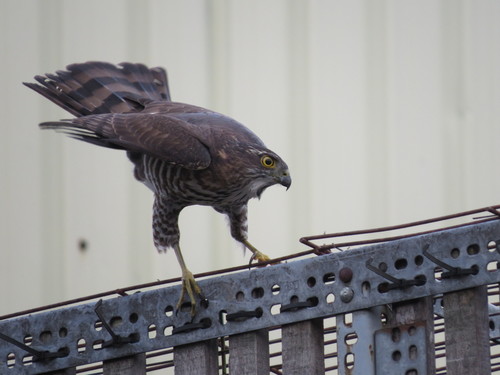
Shikra (Tachyspiza badia) Shikra
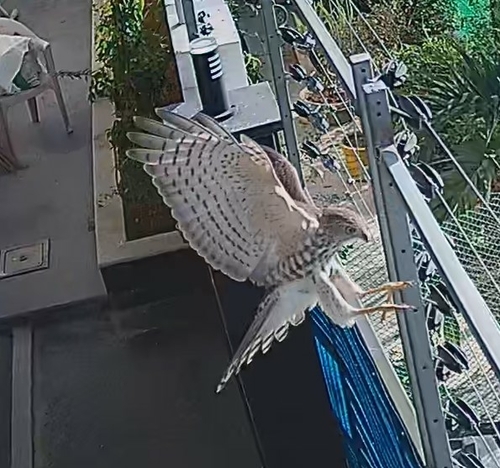
Besra (Tachyspiza virgata) Besra

Media

Loading…

In short

The Shikra and Besra are similar small hawks, but they can be distinguished by structure and habitat preferences. The Shikra typically has a more rounded tail and is often found in open woodlands, while the Besra has a longer, more squared tail and prefers denser forests.

Identification tips

  1. Tail Shape: Look for the Shikra's more rounded tail compared to the Besra's longer, squared tail. 2. Habitat: Note the habitat; Shikras are in open woodlands, Besras in dense forests. 3. Plumage: Check for the Shikra's paler, more uniform grey upperparts versus the Besra's darker, more contrasting upperparts. 4. Flight Behavior: Observe flight patterns; Shikras soar more openly, Besras maneuver through trees.

Size

Both species are similar in size, but the Besra tends to be slightly larger with a longer tail.

Plumage

Plumage is similar, with both species having barred underparts. However, the Shikra often appears paler with a more uniform grey on the upperparts, while the Besra may show a more contrasting pattern with darker upperparts.

Behaviour

Both species are agile fliers, but the Shikra is more often seen soaring in open areas, whereas the Besra is more likely to be observed maneuvering through dense forest.

Habitat

The Shikra is commonly found in open woodlands and savannas, while the Besra prefers dense forests and wooded areas.

Voice

Vocalizations are not a reliable differentiator in the field as both species have similar calls, though the Shikra's call may be slightly higher-pitched.

Submit a better description

Use the same sections as the comparison. Your text is published immediately.

The Shikra and Besra are similar small hawks, but they can be distinguished by structure and habitat preferences. The Shikra typically has a more rounded tail and is often found in open woodlands, while the Besra has a longer, more squared tail and prefers denser forests.

  1. Tail Shape: Look for the Shikra's more rounded tail compared to the Besra's longer, squared tail. 2. Habitat: Note the habitat; Shikras are in open woodlands, Besras in dense forests. 3. Plumage: Check for the Shikra's paler, more uniform grey upperparts versus the Besra's darker, more contrasting upperparts. 4. Flight Behavior: Observe flight patterns; Shikras soar more openly, Besras maneuver through trees.

Both species are similar in size, but the Besra tends to be slightly larger with a longer tail.

Plumage is similar, with both species having barred underparts. However, the Shikra often appears paler with a more uniform grey on the upperparts, while the Besra may show a more contrasting pattern with darker upperparts.

Both species are agile fliers, but the Shikra is more often seen soaring in open areas, whereas the Besra is more likely to be observed maneuvering through dense forest.

The Shikra is commonly found in open woodlands and savannas, while the Besra prefers dense forests and wooded areas.

Vocalizations are not a reliable differentiator in the field as both species have similar calls, though the Shikra's call may be slightly higher-pitched.

Discard your changes?

You have unsaved edits. If you leave now, those changes will be lost.

Shikra · Besra · My Tricky Birds