Birdr

Short-bearded Honeyeater vs Fulvous-chested Jungle Flycatcher

Melionyx nouhuysi versus Cyornis olivaceus

Play a quiz with Short-bearded Honeyeater and Fulvous-chested Jungle Flycatcher
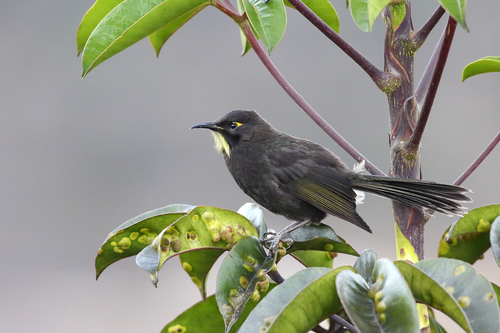
Short-bearded Honeyeater (Melionyx nouhuysi) Short-bearded Honeyeater
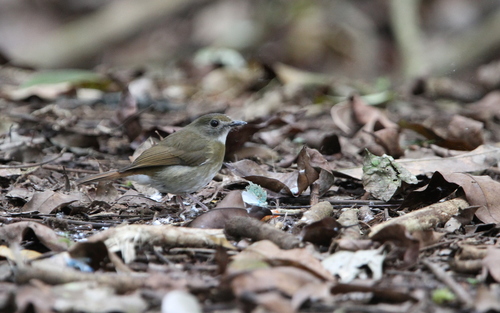
Fulvous-chested Jungle Flycatcher (Cyornis olivaceus) Fulvous-chested Jungle Flycatcher

Media

Loading…

In short

The Short-bearded Honeyeater and the Fulvous-chested Jungle Flycatcher can be distinguished primarily by their habitat and behavior. The honeyeater is typically found in montane forests and has a more robust bill suited for nectar feeding, while the flycatcher inhabits lowland forests and has a slender bill for catching insects.

Identification tips

  1. Habitat: Note the elevation and forest type; honeyeaters are more likely in montane areas. 2. Bill Shape: The honeyeater has a thicker bill for nectar, while the flycatcher has a slender bill for insects. 3. Plumage: Look for the honeyeater's 'beard' and the flycatcher's fulvous chest. 4. Behavior: Observe feeding habits; honeyeaters forage among flowers, flycatchers sally for insects.

Size

The Short-bearded Honeyeater is generally larger and more robust compared to the smaller, more delicate Fulvous-chested Jungle Flycatcher.

Plumage

The honeyeater has a more muted, olive-brown plumage with a distinctive short 'beard' of feathers, whereas the flycatcher features a fulvous (tawny) chest and a more contrasting appearance with its olive upperparts.

Behaviour

The honeyeater is often seen actively foraging among flowers for nectar, while the flycatcher typically perches quietly before sallying out to catch insects mid-air.

Habitat

The honeyeater is found in montane forests, often at higher elevations, whereas the flycatcher prefers lowland and foothill forests.

Voice

The honeyeater's calls are typically more varied and melodious, while the flycatcher's vocalizations are simpler and less musical.

Submit a better description

Use the same sections as the comparison. Your text is published immediately.

The Short-bearded Honeyeater and the Fulvous-chested Jungle Flycatcher can be distinguished primarily by their habitat and behavior. The honeyeater is typically found in montane forests and has a more robust bill suited for nectar feeding, while the flycatcher inhabits lowland forests and has a slender bill for catching insects.

  1. Habitat: Note the elevation and forest type; honeyeaters are more likely in montane areas. 2. Bill Shape: The honeyeater has a thicker bill for nectar, while the flycatcher has a slender bill for insects. 3. Plumage: Look for the honeyeater's 'beard' and the flycatcher's fulvous chest. 4. Behavior: Observe feeding habits; honeyeaters forage among flowers, flycatchers sally for insects.

The Short-bearded Honeyeater is generally larger and more robust compared to the smaller, more delicate Fulvous-chested Jungle Flycatcher.

The honeyeater has a more muted, olive-brown plumage with a distinctive short 'beard' of feathers, whereas the flycatcher features a fulvous (tawny) chest and a more contrasting appearance with its olive upperparts.

The honeyeater is often seen actively foraging among flowers for nectar, while the flycatcher typically perches quietly before sallying out to catch insects mid-air.

The honeyeater is found in montane forests, often at higher elevations, whereas the flycatcher prefers lowland and foothill forests.

The honeyeater's calls are typically more varied and melodious, while the flycatcher's vocalizations are simpler and less musical.

Discard your changes?

You have unsaved edits. If you leave now, those changes will be lost.

Short-bearded Honeyeater · Fulvous-chested Jungle Flycatcher · My Tricky Birds