Birdr

Short-billed Canastero vs Stripe-crowned Spinetail

Asthenes baeri versus Cranioleuca pyrrhophia

Play a quiz with Short-billed Canastero and Stripe-crowned Spinetail
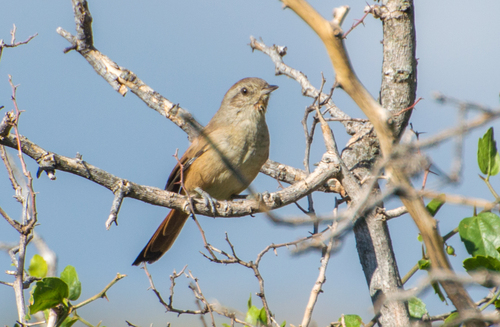
Short-billed Canastero (Asthenes baeri) Short-billed Canastero
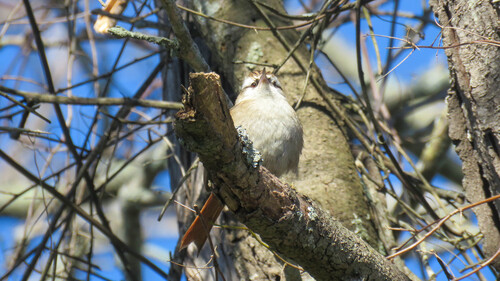
Stripe-crowned Spinetail (Cranioleuca pyrrhophia) Stripe-crowned Spinetail

Media

Loading…

In short

The Short-billed Canastero and the Stripe-crowned Spinetail are both small, brownish birds found in similar dry habitats, but they can be distinguished by their bill shape and head markings. The Canastero has a shorter, stubbier bill and lacks the distinctive crown stripes of the Spinetail.

Identification tips

  1. Bill Shape: Look for the shorter, stubbier bill of the Canastero compared to the Spinetail. 2. Head Markings: Note the absence of crown stripes in the Canastero. 3. Habitat Preference: Observe the habitat; Canasteros are more likely in thorn forests, while Spinetails prefer dense shrubs. 4. Listen for Calls: The Spinetail's trilled notes can help confirm its presence.

Size

Both species are similar in size, typical of small passerines in the Furnariidae family.

Plumage

The Short-billed Canastero has a plainer head with no distinct crown stripes, while the Stripe-crowned Spinetail is named for its prominent white crown stripes. Both have brownish plumage, but the Spinetail may appear slightly more rufous.

Behaviour

The Canastero is often seen in pairs or small groups, while the Spinetail is known to form part of mixed-species foraging flocks.

Habitat

Both species inhabit dry forests and scrubby areas, but the Canastero is more associated with thorn forests, while the Spinetail prefers dense shrubby trees and avoids open country.

Voice

The Stripe-crowned Spinetail is more vocal, with a loud series of trilled notes, whereas the Canastero's vocalizations are less documented.

Submit a better description

Use the same sections as the comparison. Your text is published immediately.

The Short-billed Canastero and the Stripe-crowned Spinetail are both small, brownish birds found in similar dry habitats, but they can be distinguished by their bill shape and head markings. The Canastero has a shorter, stubbier bill and lacks the distinctive crown stripes of the Spinetail.

  1. Bill Shape: Look for the shorter, stubbier bill of the Canastero compared to the Spinetail. 2. Head Markings: Note the absence of crown stripes in the Canastero. 3. Habitat Preference: Observe the habitat; Canasteros are more likely in thorn forests, while Spinetails prefer dense shrubs. 4. Listen for Calls: The Spinetail's trilled notes can help confirm its presence.

Both species are similar in size, typical of small passerines in the Furnariidae family.

The Short-billed Canastero has a plainer head with no distinct crown stripes, while the Stripe-crowned Spinetail is named for its prominent white crown stripes. Both have brownish plumage, but the Spinetail may appear slightly more rufous.

The Canastero is often seen in pairs or small groups, while the Spinetail is known to form part of mixed-species foraging flocks.

Both species inhabit dry forests and scrubby areas, but the Canastero is more associated with thorn forests, while the Spinetail prefers dense shrubby trees and avoids open country.

The Stripe-crowned Spinetail is more vocal, with a loud series of trilled notes, whereas the Canastero's vocalizations are less documented.

Discard your changes?

You have unsaved edits. If you leave now, those changes will be lost.

Short-billed Canastero · Stripe-crowned Spinetail · My Tricky Birds