Birdr

Siberian Rubythroat vs Red-breasted Flycatcher

Calliope calliope versus Ficedula parva

Play a quiz with Siberian Rubythroat and Red-breasted Flycatcher
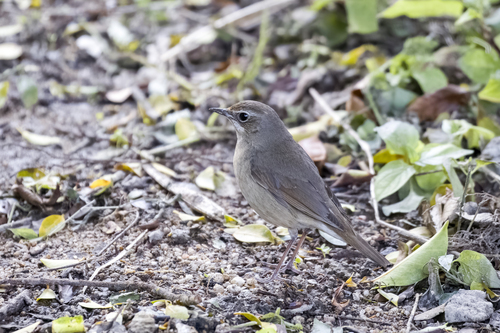
Siberian Rubythroat (Calliope calliope) Siberian Rubythroat
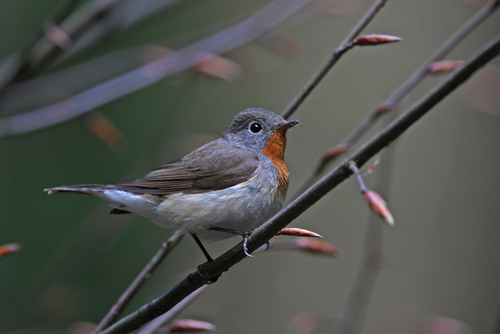
Red-breasted Flycatcher (Ficedula parva) Red-breasted Flycatcher

Media

Loading…

In short

The Siberian Rubythroat and the Red-breasted Flycatcher can be distinguished primarily by the male Siberian Rubythroat's vivid red throat patch, which the Red-breasted Flycatcher lacks. Both species are small, but their behavior and habitat preferences also aid in identification.

Identification tips

  1. Look for the red throat patch in male Siberian Rubythroats; absent in Red-breasted Flycatchers. 2. Note the white supercilium in Siberian Rubythroats. 3. Observe behavior: Rubythroats are more secretive, Flycatchers more active and visible. 4. Listen for vocalizations: melodious whistles vs. repeated 'trrr' calls.

Size

Both species are small passerines, but the Siberian Rubythroat is slightly larger and more robust compared to the more delicate Red-breasted Flycatcher.

Plumage

The male Siberian Rubythroat is unmistakable with its bright red throat and white supercilium. Females and juveniles are duller but still show a hint of the supercilium. The Red-breasted Flycatcher, in contrast, has a more uniform appearance with a subtle orange wash on the throat in males, and lacks the bold supercilium.

Behaviour

Siberian Rubythroats are often seen skulking in dense undergrowth, while Red-breasted Flycatchers are more likely to be observed actively foraging in open woodlands and perching conspicuously.

Habitat

Siberian Rubythroats prefer dense thickets and undergrowth, often in more northerly or montane regions during breeding. Red-breasted Flycatchers are typically found in deciduous or mixed forests, often at lower elevations.

Voice

The Siberian Rubythroat's song is a series of melodious whistles, while the Red-breasted Flycatcher has a distinctive, repeated 'trrr' call. These vocal differences are useful when the birds are not visible.

Submit a better description

Use the same sections as the comparison. Your text is published immediately.

The Siberian Rubythroat and the Red-breasted Flycatcher can be distinguished primarily by the male Siberian Rubythroat's vivid red throat patch, which the Red-breasted Flycatcher lacks. Both species are small, but their behavior and habitat preferences also aid in identification.

  1. Look for the red throat patch in male Siberian Rubythroats; absent in Red-breasted Flycatchers. 2. Note the white supercilium in Siberian Rubythroats. 3. Observe behavior: Rubythroats are more secretive, Flycatchers more active and visible. 4. Listen for vocalizations: melodious whistles vs. repeated 'trrr' calls.

Both species are small passerines, but the Siberian Rubythroat is slightly larger and more robust compared to the more delicate Red-breasted Flycatcher.

The male Siberian Rubythroat is unmistakable with its bright red throat and white supercilium. Females and juveniles are duller but still show a hint of the supercilium. The Red-breasted Flycatcher, in contrast, has a more uniform appearance with a subtle orange wash on the throat in males, and lacks the bold supercilium.

Siberian Rubythroats are often seen skulking in dense undergrowth, while Red-breasted Flycatchers are more likely to be observed actively foraging in open woodlands and perching conspicuously.

Siberian Rubythroats prefer dense thickets and undergrowth, often in more northerly or montane regions during breeding. Red-breasted Flycatchers are typically found in deciduous or mixed forests, often at lower elevations.

The Siberian Rubythroat's song is a series of melodious whistles, while the Red-breasted Flycatcher has a distinctive, repeated 'trrr' call. These vocal differences are useful when the birds are not visible.

Discard your changes?

You have unsaved edits. If you leave now, those changes will be lost.

Siberian Rubythroat · Red-breasted Flycatcher · My Tricky Birds