
Siberian Thrush vs Song Thrush
Geokichla sibirica versus Turdus philomelos
Play a quiz with Siberian Thrush and Song Thrush
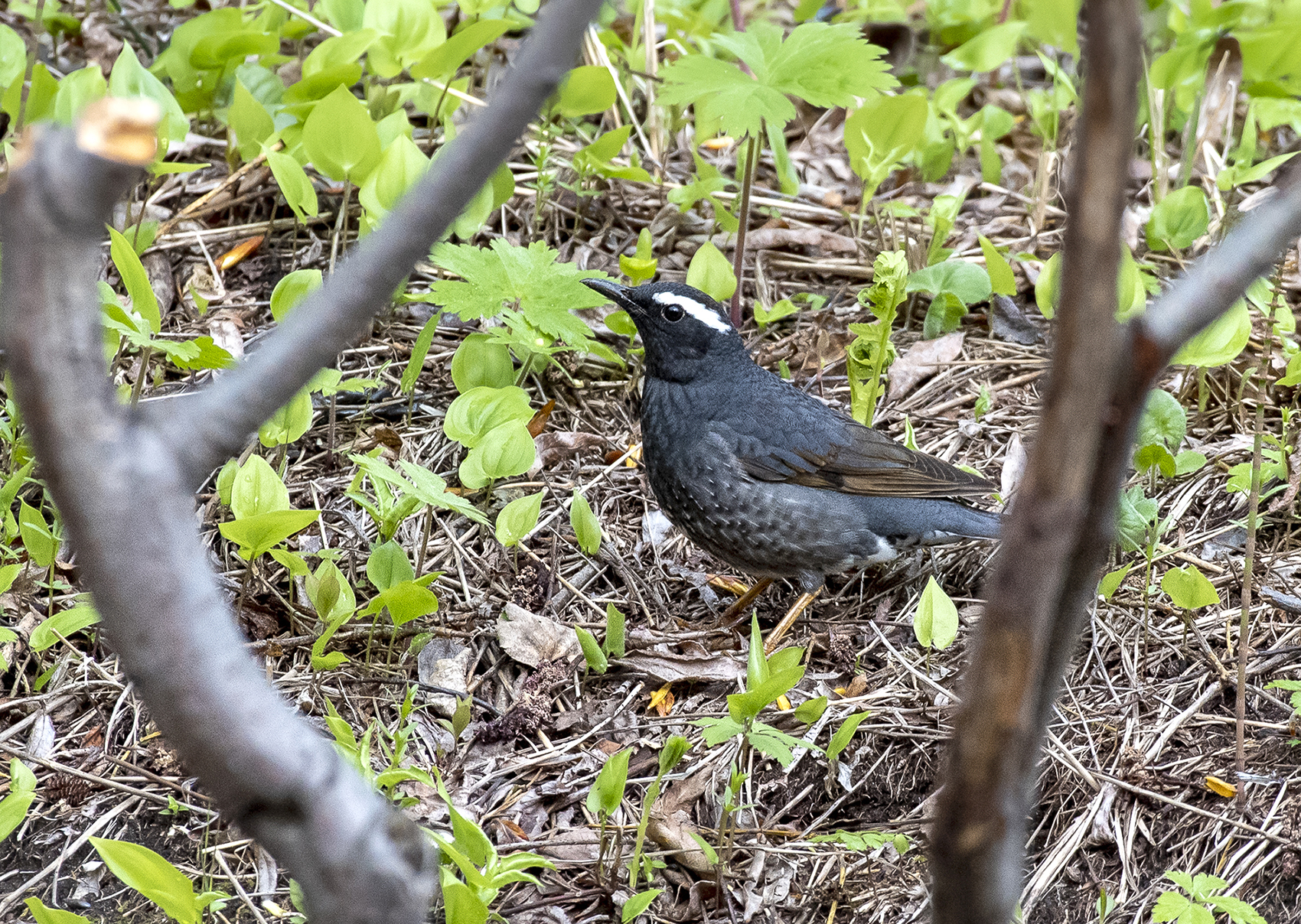 Siberian Thrush
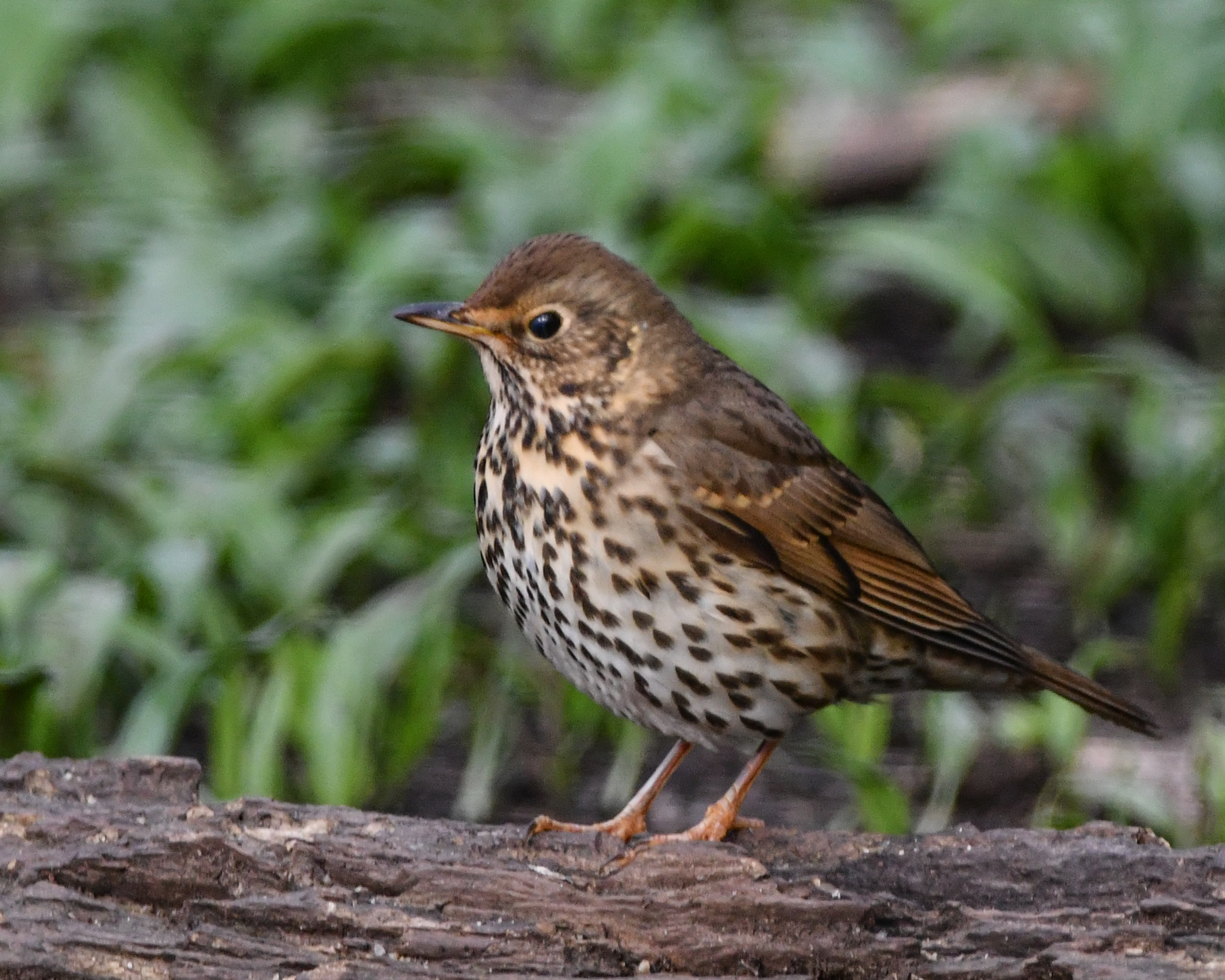 Song Thrush
In short
The Siberian Thrush and Song Thrush can be distinguished primarily by their plumage and structure. The Siberian Thrush is more elusive and typically found in dense forests, while the Song Thrush is more widespread and often seen in open areas.
Identification tips
- Look for the dark blue-black plumage and white underwing in male Siberian Thrushes. 2. Note the warm brown upperparts and spotted underparts of the Song Thrush. 3. Observe the habitat: dense forests suggest Siberian Thrush, while open areas suggest Song Thrush. 4. Listen for the Song Thrush's melodious song; the Siberian Thrush is quieter.
Size
Both species are similar in size, but the Song Thrush may appear slightly bulkier.
Plumage
The male Siberian Thrush is striking with its dark blue-black plumage and white underwing, while females are brown with a distinct supercilium. The Song Thrush has a warm brown upperpart and heavily spotted underparts, lacking the stark contrast seen in the Siberian Thrush.
Behaviour
Siberian Thrushes are more secretive, often staying hidden in dense foliage, whereas Song Thrushes are more conspicuous, frequently seen foraging on lawns or open ground.
Habitat
Siberian Thrushes prefer dense, mature forests, especially during migration. Song Thrushes are adaptable, found in gardens, parks, and woodlands.
Voice
The Song Thrush is known for its repetitive, melodious song, often delivered from a high perch. The Siberian Thrush's vocalizations are less well-documented and not as prominent.