Birdr

Singing Bushlark vs Indochinese Bushlark

Mirafra javanica versus Plocealauda erythrocephala

Play a quiz with Singing Bushlark and Indochinese Bushlark
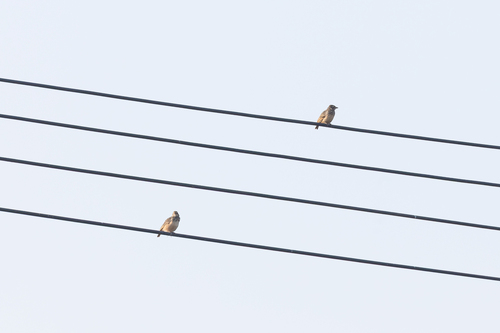
Singing Bushlark (Mirafra javanica) Singing Bushlark
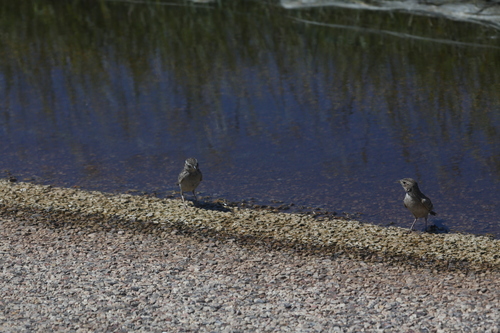
Indochinese Bushlark (Plocealauda erythrocephala) Indochinese Bushlark

Media

Loading…

In short

The Singing Bushlark (Mirafra javanica) and Indochinese Bushlark (Plocealauda erythrocephala) are both small, streaked larks, but they can be distinguished by their structure and vocalizations. The Singing Bushlark typically has a more robust build and a slightly larger bill, while the Indochinese Bushlark often shows a more slender appearance. Vocalizations are a key differentiator, with the Singing Bushlark known for its varied and melodious song.

Identification tips

1. Structure: Look for a more robust build and slightly larger bill in the Singing Bushlark. 2. Vocalizations: Listen for the Singing Bushlark's melodious song, especially during flight displays. 3. Habitat: Consider the location; if in Southeast Asia, the Indochinese Bushlark is more likely. 4. Plumage: Note the variability in the Singing Bushlark's plumage, which can range from pale to dark forms.

Size

Both species are similar in size, though the Singing Bushlark may appear slightly bulkier due to its more robust build.

Plumage

Plumage is variable in both species, with the Singing Bushlark ranging from pale to dark forms, while the Indochinese Bushlark generally maintains a more consistent streaked appearance. Both have streaked upperparts and paler underparts.

Behaviour

Both species exhibit typical lark behavior, often seen foraging on the ground. The Singing Bushlark may perform more conspicuous song flights.

Habitat

The Singing Bushlark is often found in open grasslands and agricultural areas, while the Indochinese Bushlark prefers similar open habitats but is more localized to its range in Southeast Asia.

Voice

The Singing Bushlark is noted for its varied and melodious song, often delivered in flight. The Indochinese Bushlark's song is less documented but is generally considered less varied.

Submit a better description

Use the same sections as the comparison. Your text is published immediately.

The Singing Bushlark (Mirafra javanica) and Indochinese Bushlark (Plocealauda erythrocephala) are both small, streaked larks, but they can be distinguished by their structure and vocalizations. The Singing Bushlark typically has a more robust build and a slightly larger bill, while the Indochinese Bushlark often shows a more slender appearance. Vocalizations are a key differentiator, with the Singing Bushlark known for its varied and melodious song.

1. Structure: Look for a more robust build and slightly larger bill in the Singing Bushlark. 2. Vocalizations: Listen for the Singing Bushlark's melodious song, especially during flight displays. 3. Habitat: Consider the location; if in Southeast Asia, the Indochinese Bushlark is more likely. 4. Plumage: Note the variability in the Singing Bushlark's plumage, which can range from pale to dark forms.

Both species are similar in size, though the Singing Bushlark may appear slightly bulkier due to its more robust build.

Plumage is variable in both species, with the Singing Bushlark ranging from pale to dark forms, while the Indochinese Bushlark generally maintains a more consistent streaked appearance. Both have streaked upperparts and paler underparts.

Both species exhibit typical lark behavior, often seen foraging on the ground. The Singing Bushlark may perform more conspicuous song flights.

The Singing Bushlark is often found in open grasslands and agricultural areas, while the Indochinese Bushlark prefers similar open habitats but is more localized to its range in Southeast Asia.

The Singing Bushlark is noted for its varied and melodious song, often delivered in flight. The Indochinese Bushlark's song is less documented but is generally considered less varied.

Discard your changes?

You have unsaved edits. If you leave now, those changes will be lost.

Singing Bushlark · Indochinese Bushlark · My Tricky Birds