Birdr

Singing Cisticola vs Foxy Cisticola

Cisticola cantans versus Cisticola troglodytes

Play a quiz with Singing Cisticola and Foxy Cisticola
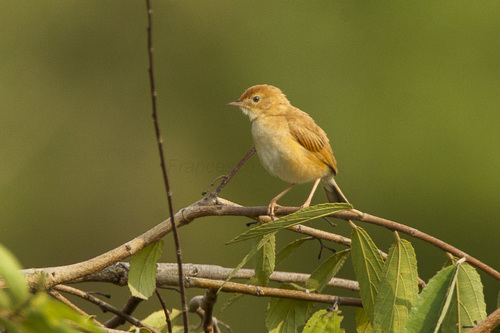
Singing Cisticola (Cisticola cantans) Singing Cisticola
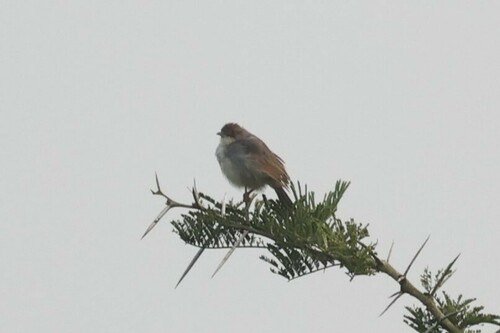
Foxy Cisticola (Cisticola troglodytes) Foxy Cisticola

Media

Loading…

In short

The Singing Cisticola and Foxy Cisticola can be challenging to differentiate, but key differences in plumage and habitat can aid identification. The Singing Cisticola typically has a more uniform brown plumage, while the Foxy Cisticola shows a richer, rufous tone. Their vocalizations also differ, providing another clue for identification.

Identification tips

  1. Look for the rufous tone in the Foxy Cisticola's plumage compared to the more uniform brown of the Singing Cisticola. 2. Listen for differences in song patterns, as these can be a reliable indicator. 3. Consider the habitat; Singing Cisticolas may be more common in open grasslands, while Foxy Cisticolas might be in denser vegetation. 4. When in doubt, note the overall behavior and any vocalizations to help confirm identification.

Size

Both species are similar in size, typical of small cisticolas.

Plumage

The Singing Cisticola generally exhibits a more uniform brown coloration, whereas the Foxy Cisticola is characterized by a richer, rufous tone, especially on the upperparts.

Behaviour

Both species exhibit similar behaviors typical of cisticolas, such as skulking in grass and bushes, but specific differences are not well-documented.

Habitat

The Singing Cisticola is often found in more open habitats like grasslands and savannas, while the Foxy Cisticola may prefer slightly denser vegetation, though both can overlap in certain areas.

Voice

The Singing Cisticola's song is a series of repetitive notes, while the Foxy Cisticola's song is distinct, though specific differences are subtle and may require careful listening.

Submit a better description

Use the same sections as the comparison. Your text is published immediately.

The Singing Cisticola and Foxy Cisticola can be challenging to differentiate, but key differences in plumage and habitat can aid identification. The Singing Cisticola typically has a more uniform brown plumage, while the Foxy Cisticola shows a richer, rufous tone. Their vocalizations also differ, providing another clue for identification.

  1. Look for the rufous tone in the Foxy Cisticola's plumage compared to the more uniform brown of the Singing Cisticola. 2. Listen for differences in song patterns, as these can be a reliable indicator. 3. Consider the habitat; Singing Cisticolas may be more common in open grasslands, while Foxy Cisticolas might be in denser vegetation. 4. When in doubt, note the overall behavior and any vocalizations to help confirm identification.

Both species are similar in size, typical of small cisticolas.

The Singing Cisticola generally exhibits a more uniform brown coloration, whereas the Foxy Cisticola is characterized by a richer, rufous tone, especially on the upperparts.

Both species exhibit similar behaviors typical of cisticolas, such as skulking in grass and bushes, but specific differences are not well-documented.

The Singing Cisticola is often found in more open habitats like grasslands and savannas, while the Foxy Cisticola may prefer slightly denser vegetation, though both can overlap in certain areas.

The Singing Cisticola's song is a series of repetitive notes, while the Foxy Cisticola's song is distinct, though specific differences are subtle and may require careful listening.

Discard your changes?

You have unsaved edits. If you leave now, those changes will be lost.

Singing Cisticola · Foxy Cisticola · My Tricky Birds