Birdr

Snail Kite vs Double-toothed Kite

Rostrhamus sociabilis versus Harpagus bidentatus

Play a quiz with Snail Kite and Double-toothed Kite
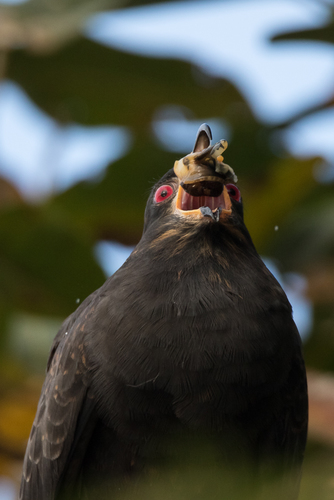
Snail Kite (Rostrhamus sociabilis) Snail Kite
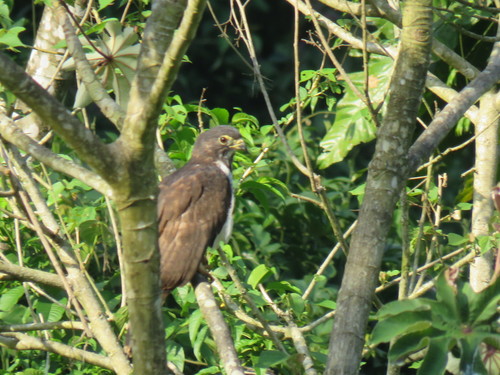
Double-toothed Kite (Harpagus bidentatus) Double-toothed Kite

Media

Loading…

In short

The Snail Kite and Double-toothed Kite can be distinguished by their bill shape and plumage details. The Snail Kite has a distinctive slender, hooked bill adapted for feeding on snails, while the Double-toothed Kite features a double-toothed bill. Plumage differences include the Snail Kite's darker overall appearance compared to the Double-toothed Kite's more contrasting plumage with white leg tufts.

Identification tips

1. Bill Shape: Look for the Snail Kite's slender, hooked bill versus the Double-toothed Kite's double-toothed bill. 2. Plumage: Note the Snail Kite's darker, less contrasting plumage compared to the Double-toothed Kite's white leg tufts and throat line. 3. Behavior: Observe the Snail Kite near water bodies and the Double-toothed Kite following monkey troops. 4. Habitat: Consider the wetland preference of the Snail Kite versus the forested habitats of the Double-toothed Kite.

Size

Both species are similar in size, but the Snail Kite is slightly larger and bulkier.

Plumage

The Snail Kite is mostly dark with less contrast, while the Double-toothed Kite has a more contrasting appearance with white leg tufts and a dark line down the throat.

Behaviour

The Snail Kite is often seen near water bodies hunting for snails, whereas the Double-toothed Kite is known for following troops of monkeys to catch flushed prey.

Habitat

Snail Kites are typically found in wetlands and marshes, while Double-toothed Kites inhabit a variety of forested areas across the Neotropics.

Voice

Vocalizations are not a primary distinguishing feature between these two species.

Submit a better description

Use the same sections as the comparison. Your text is published immediately.

The Snail Kite and Double-toothed Kite can be distinguished by their bill shape and plumage details. The Snail Kite has a distinctive slender, hooked bill adapted for feeding on snails, while the Double-toothed Kite features a double-toothed bill. Plumage differences include the Snail Kite's darker overall appearance compared to the Double-toothed Kite's more contrasting plumage with white leg tufts.

1. Bill Shape: Look for the Snail Kite's slender, hooked bill versus the Double-toothed Kite's double-toothed bill. 2. Plumage: Note the Snail Kite's darker, less contrasting plumage compared to the Double-toothed Kite's white leg tufts and throat line. 3. Behavior: Observe the Snail Kite near water bodies and the Double-toothed Kite following monkey troops. 4. Habitat: Consider the wetland preference of the Snail Kite versus the forested habitats of the Double-toothed Kite.

Both species are similar in size, but the Snail Kite is slightly larger and bulkier.

The Snail Kite is mostly dark with less contrast, while the Double-toothed Kite has a more contrasting appearance with white leg tufts and a dark line down the throat.

The Snail Kite is often seen near water bodies hunting for snails, whereas the Double-toothed Kite is known for following troops of monkeys to catch flushed prey.

Snail Kites are typically found in wetlands and marshes, while Double-toothed Kites inhabit a variety of forested areas across the Neotropics.

Vocalizations are not a primary distinguishing feature between these two species.

Discard your changes?

You have unsaved edits. If you leave now, those changes will be lost.

Snail Kite · Double-toothed Kite · My Tricky Birds