
Snow Bunting vs Common Reed Bunting
Plectrophenax nivalis versus Emberiza schoeniclus
Play a quiz with Snow Bunting and Common Reed Bunting
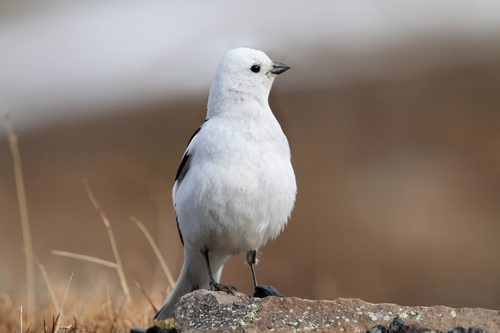
Snow Bunting
Common Reed Bunting
In short
The Snow Bunting and Common Reed Bunting can be distinguished primarily by their habitat preferences and plumage. Snow Buntings are typically found in open, snowy environments, while Common Reed Buntings are more associated with reed beds and wetlands. In terms of plumage, Snow Buntings have a striking white and black pattern, especially in males, whereas Common Reed Buntings have more subdued brown and streaked plumage.
Identification tips
- Habitat: Look for Snow Buntings in open, snowy fields; Common Reed Buntings in wetland areas. 2. Plumage: Note the white and black contrast in Snow Buntings versus the streaked brown and black-headed appearance of male Common Reed Buntings. 3. Behavior: Observe flocking behavior in Snow Buntings and solitary perching in Common Reed Buntings. 4. Vocalizations: Listen for the melodic song of the Snow Bunting compared to the simpler song of the Common Reed Bunting.
Size
Both species are similar in size, but the Snow Bunting may appear slightly bulkier due to its thicker plumage.
Plumage
Snow Buntings have a predominantly white plumage with black wingtips and back in males, especially in breeding season. Females and non-breeding males are more buffy. Common Reed Buntings have a brown, streaked appearance with a distinctive black head and white collar in males during the breeding season; females are more uniformly brown and streaked.
Behaviour
Snow Buntings are often seen in flocks on the ground, foraging in open areas. Common Reed Buntings are more solitary or in small groups, often perched on reeds or low vegetation.
Habitat
Snow Buntings prefer open, arctic and alpine environments, often with snow cover. Common Reed Buntings are found in wetlands, reed beds, and marshy areas.
Voice
The song of the Common Reed Bunting is a simple, repetitive series of notes, whereas the Snow Bunting's song is more varied and melodic. Calls differ as well, with the Snow Bunting having a distinctive, soft 'tew' call.