Birdr

Snowy Owl vs Eurasian Pygmy-Owl

Bubo scandiacus versus Glaucidium passerinum

Play a quiz with Snowy Owl and Eurasian Pygmy-Owl
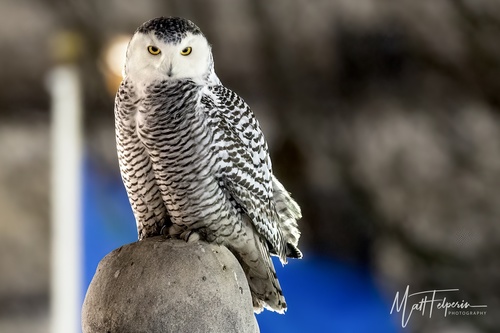
Snowy Owl (Bubo scandiacus) Snowy Owl
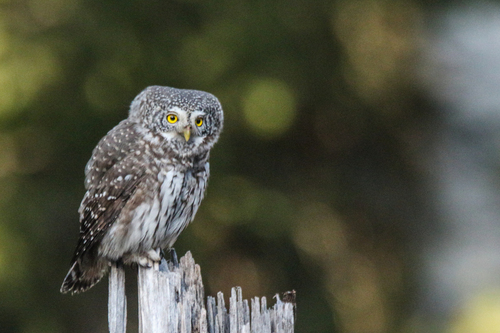
Eurasian Pygmy-Owl (Glaucidium passerinum) Eurasian Pygmy-Owl

Media

Loading…

In short

The Snowy Owl is a large, predominantly white owl often seen in open country, while the Eurasian Pygmy-Owl is much smaller, with a more compact build and brownish plumage. Snowy Owls are more likely to be seen during the day and have a striking white appearance, whereas Eurasian Pygmy-Owls are more elusive and often found in forested areas.

Identification tips

1. Size and Shape: Snowy Owls are much larger and bulkier. 2. Plumage: Look for the predominantly white plumage of Snowy Owls versus the brownish, spotted appearance of Eurasian Pygmy-Owls. 3. Habitat: Consider the environment; open areas suggest Snowy Owl, while dense forests suggest Eurasian Pygmy-Owl. 4. Activity Time: Snowy Owls are more likely to be seen during the day.

Size

The Snowy Owl is significantly larger, with a wingspan of 125–166 cm, compared to the much smaller Eurasian Pygmy-Owl.

Plumage

Snowy Owls are mostly white with varying dark bars, especially in females and younger birds, while Eurasian Pygmy-Owls have brownish plumage with white spots, making them more camouflaged in wooded environments.

Behaviour

Snowy Owls are often active during the day and can be seen perched in open areas. Eurasian Pygmy-Owls are more secretive, often hunting at dawn or dusk and staying within forested habitats.

Habitat

Snowy Owls inhabit open, often tundra-like areas, whereas Eurasian Pygmy-Owls prefer dense forests.

Submit a better description

Use the same sections as the comparison. Your text is published immediately.

The Snowy Owl is a large, predominantly white owl often seen in open country, while the Eurasian Pygmy-Owl is much smaller, with a more compact build and brownish plumage. Snowy Owls are more likely to be seen during the day and have a striking white appearance, whereas Eurasian Pygmy-Owls are more elusive and often found in forested areas.

1. Size and Shape: Snowy Owls are much larger and bulkier. 2. Plumage: Look for the predominantly white plumage of Snowy Owls versus the brownish, spotted appearance of Eurasian Pygmy-Owls. 3. Habitat: Consider the environment; open areas suggest Snowy Owl, while dense forests suggest Eurasian Pygmy-Owl. 4. Activity Time: Snowy Owls are more likely to be seen during the day.

The Snowy Owl is significantly larger, with a wingspan of 125–166 cm, compared to the much smaller Eurasian Pygmy-Owl.

Snowy Owls are mostly white with varying dark bars, especially in females and younger birds, while Eurasian Pygmy-Owls have brownish plumage with white spots, making them more camouflaged in wooded environments.

Snowy Owls are often active during the day and can be seen perched in open areas. Eurasian Pygmy-Owls are more secretive, often hunting at dawn or dusk and staying within forested habitats.

Snowy Owls inhabit open, often tundra-like areas, whereas Eurasian Pygmy-Owls prefer dense forests.

Discard your changes?

You have unsaved edits. If you leave now, those changes will be lost.

Snowy Owl · Eurasian Pygmy-Owl · My Tricky Birds