Birdr

Snowy Owl vs Western Barn Owl

Bubo scandiacus versus Tyto alba

Play a quiz with Snowy Owl and Western Barn Owl
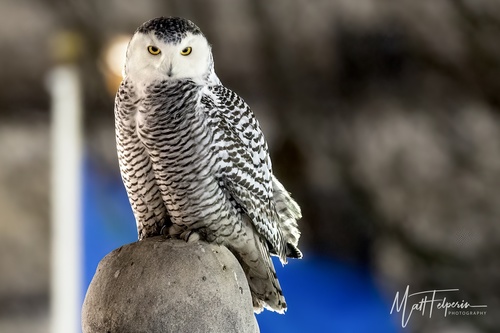
Snowy Owl (Bubo scandiacus) Snowy Owl
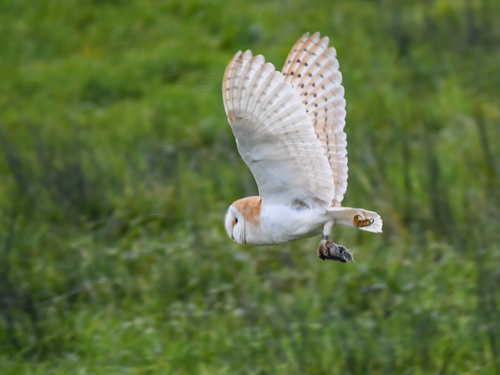
Western Barn Owl (Tyto alba) Western Barn Owl

Media

Loading…

In short

Snowy Owls are large, predominantly white owls often seen in open areas during the day, while Western Barn Owls are medium-sized with a distinctive heart-shaped facial disc and more tan or straw-colored plumage. Snowy Owls have yellow eyes and heavily feathered legs, whereas Barn Owls have dark eyes and less feathered legs.

Identification tips

  1. Look for the large size and white plumage of the Snowy Owl, especially in males. 2. Note the heart-shaped facial disc and tan coloration of the Barn Owl. 3. Check for yellow eyes and heavily feathered legs in Snowy Owls versus dark eyes and less feathered legs in Barn Owls. 4. Consider the habitat: Snowy Owls in northern open areas, Barn Owls in a wider range. 5. Listen for Barn Owl's screeching calls, as Snowy Owls are quieter.

Size

Snowy Owls are larger, with a wingspan of 125–166 cm, compared to the smaller Western Barn Owl.

Plumage

Snowy Owls are mostly white with varying dark bars and spots, especially in females and younger birds. Western Barn Owls have a pale face, tan or straw-colored body, and more extensive gray-mottled areas with smaller white and brown spots.

Behaviour

Both species can be seen hunting during the day, but Snowy Owls often perch on open ground, while Barn Owls prefer flight hunting and may use distinct perches like poles and rocks.

Habitat

Both inhabit open country, but Snowy Owls are more likely to be found in colder, northern regions, whereas Western Barn Owls have a broader range including temperate and subtropical areas.

Voice

Vocalizations are not a primary distinguishing feature in the field; Snowy Owls are generally quieter, while Barn Owls are known for their screeching calls.

Submit a better description

Use the same sections as the comparison. Your text is published immediately.

Snowy Owls are large, predominantly white owls often seen in open areas during the day, while Western Barn Owls are medium-sized with a distinctive heart-shaped facial disc and more tan or straw-colored plumage. Snowy Owls have yellow eyes and heavily feathered legs, whereas Barn Owls have dark eyes and less feathered legs.

  1. Look for the large size and white plumage of the Snowy Owl, especially in males. 2. Note the heart-shaped facial disc and tan coloration of the Barn Owl. 3. Check for yellow eyes and heavily feathered legs in Snowy Owls versus dark eyes and less feathered legs in Barn Owls. 4. Consider the habitat: Snowy Owls in northern open areas, Barn Owls in a wider range. 5. Listen for Barn Owl's screeching calls, as Snowy Owls are quieter.

Snowy Owls are larger, with a wingspan of 125–166 cm, compared to the smaller Western Barn Owl.

Snowy Owls are mostly white with varying dark bars and spots, especially in females and younger birds. Western Barn Owls have a pale face, tan or straw-colored body, and more extensive gray-mottled areas with smaller white and brown spots.

Both species can be seen hunting during the day, but Snowy Owls often perch on open ground, while Barn Owls prefer flight hunting and may use distinct perches like poles and rocks.

Both inhabit open country, but Snowy Owls are more likely to be found in colder, northern regions, whereas Western Barn Owls have a broader range including temperate and subtropical areas.

Vocalizations are not a primary distinguishing feature in the field; Snowy Owls are generally quieter, while Barn Owls are known for their screeching calls.

Discard your changes?

You have unsaved edits. If you leave now, those changes will be lost.

Snowy Owl · Western Barn Owl · My Tricky Birds