Birdr

Snowy Plover vs Northern Parula

Anarhynchus nivosus versus Setophaga americana

Play a quiz with Snowy Plover and Northern Parula

Snowy Plover (Anarhynchus nivosus) Snowy Plover
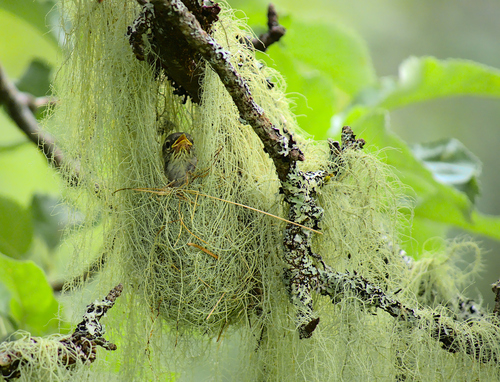
Northern Parula (Setophaga americana) Northern Parula

Media

Loading…

In short

The Snowy Plover and Northern Parula are easily distinguished by their habitat and appearance. Snowy Plovers are small shorebirds with pale plumage, while Northern Parulas are small, colorful warblers often found in trees.

Identification tips

1. Habitat: Snowy Plovers are found on open beaches, while Northern Parulas are in forested areas. 2. Plumage: Look for the Snowy Plover's pale coloration and black markings versus the Northern Parula's bright colors and white eye ring. 3. Behavior: Note the Snowy Plover's ground-dwelling habits compared to the Northern Parula's tree-dwelling behavior. 4. Vocalization: Listen for the Northern Parula's buzzy trill, which is unlike the Snowy Plover's soft calls.

Size

The Snowy Plover is a small shorebird, generally larger than the Northern Parula, which is a small warbler.

Plumage

Snowy Plovers have pale, sandy-colored plumage with a distinctive black forehead bar and partial breast band. Northern Parulas are vibrant with bluish-gray upperparts, a greenish back patch, and a yellow throat and breast with a distinctive white eye ring.

Behaviour

Snowy Plovers are often seen running along sandy beaches or mudflats, while Northern Parulas are more arboreal, flitting through tree canopies.

Habitat

Snowy Plovers inhabit coastal beaches and salt flats, whereas Northern Parulas are found in deciduous and mixed forests, often near water.

Voice

Northern Parulas have a distinctive buzzy trill, while Snowy Plovers have a soft, whistled call. Their vocalizations are quite different and can aid in identification.

Submit a better description

Use the same sections as the comparison. Your text is published immediately.

The Snowy Plover and Northern Parula are easily distinguished by their habitat and appearance. Snowy Plovers are small shorebirds with pale plumage, while Northern Parulas are small, colorful warblers often found in trees.

1. Habitat: Snowy Plovers are found on open beaches, while Northern Parulas are in forested areas. 2. Plumage: Look for the Snowy Plover's pale coloration and black markings versus the Northern Parula's bright colors and white eye ring. 3. Behavior: Note the Snowy Plover's ground-dwelling habits compared to the Northern Parula's tree-dwelling behavior. 4. Vocalization: Listen for the Northern Parula's buzzy trill, which is unlike the Snowy Plover's soft calls.

The Snowy Plover is a small shorebird, generally larger than the Northern Parula, which is a small warbler.

Snowy Plovers have pale, sandy-colored plumage with a distinctive black forehead bar and partial breast band. Northern Parulas are vibrant with bluish-gray upperparts, a greenish back patch, and a yellow throat and breast with a distinctive white eye ring.

Snowy Plovers are often seen running along sandy beaches or mudflats, while Northern Parulas are more arboreal, flitting through tree canopies.

Snowy Plovers inhabit coastal beaches and salt flats, whereas Northern Parulas are found in deciduous and mixed forests, often near water.

Northern Parulas have a distinctive buzzy trill, while Snowy Plovers have a soft, whistled call. Their vocalizations are quite different and can aid in identification.

Discard your changes?

You have unsaved edits. If you leave now, those changes will be lost.

Snowy Plover · Northern Parula · My Tricky Birds