Birdr

Solitary Snipe vs Swinhoe's Snipe

Gallinago solitaria versus Gallinago megala

Play a quiz with Solitary Snipe and Swinhoe's Snipe
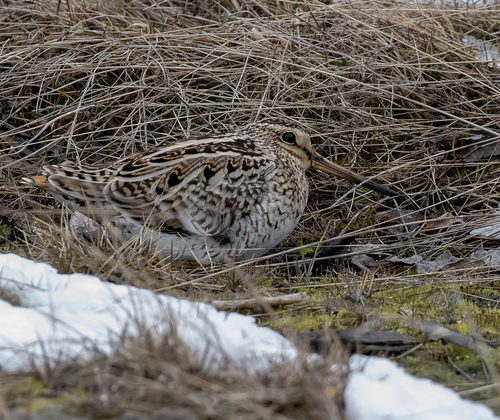
Solitary Snipe (Gallinago solitaria) Solitary Snipe
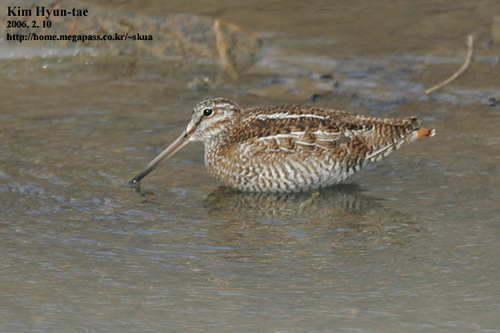
Swinhoe's Snipe (Gallinago megala) Swinhoe's Snipe

Media

Loading…

In short

The Solitary Snipe and Swinhoe's Snipe are both cryptic, ground-dwelling birds that can be challenging to differentiate in the field. The most reliable distinction is their habitat preference: Solitary Snipes are typically found in montane regions, while Swinhoe's Snipes prefer lowland wetlands. Observing their behavior and plumage details can also aid in identification.

Identification tips

  1. Habitat: Check the elevation and type of wetland; Solitary Snipe is more montane. 2. Plumage: Look for darker streaks and a more pronounced supercilium in Solitary Snipe. 3. Behavior: Note the bird's tendency to flush; Solitary Snipe may allow closer approach. 4. Location: Consider the geographic range and typical habitats of each species.

Size

Both species are similar in size, typical of medium-sized snipes.

Plumage

Both snipes have cryptic brown plumage with intricate patterns, but Solitary Snipe tends to have a slightly more contrasting pattern with darker streaks on the back and a more pronounced supercilium.

Behaviour

Solitary Snipes are often seen alone or in pairs, as their name suggests, and are less likely to flush unless closely approached. Swinhoe's Snipes may be more likely to flush at a greater distance.

Habitat

Solitary Snipes are typically found in montane regions, often near streams or in damp, rocky areas. Swinhoe's Snipes prefer lowland wetlands, including marshes and rice paddies.

Voice

Vocalizations are not a reliable field mark as both species have similar, infrequently heard calls.

Submit a better description

Use the same sections as the comparison. Your text is published immediately.

The Solitary Snipe and Swinhoe's Snipe are both cryptic, ground-dwelling birds that can be challenging to differentiate in the field. The most reliable distinction is their habitat preference: Solitary Snipes are typically found in montane regions, while Swinhoe's Snipes prefer lowland wetlands. Observing their behavior and plumage details can also aid in identification.

  1. Habitat: Check the elevation and type of wetland; Solitary Snipe is more montane. 2. Plumage: Look for darker streaks and a more pronounced supercilium in Solitary Snipe. 3. Behavior: Note the bird's tendency to flush; Solitary Snipe may allow closer approach. 4. Location: Consider the geographic range and typical habitats of each species.

Both species are similar in size, typical of medium-sized snipes.

Both snipes have cryptic brown plumage with intricate patterns, but Solitary Snipe tends to have a slightly more contrasting pattern with darker streaks on the back and a more pronounced supercilium.

Solitary Snipes are often seen alone or in pairs, as their name suggests, and are less likely to flush unless closely approached. Swinhoe's Snipes may be more likely to flush at a greater distance.

Solitary Snipes are typically found in montane regions, often near streams or in damp, rocky areas. Swinhoe's Snipes prefer lowland wetlands, including marshes and rice paddies.

Vocalizations are not a reliable field mark as both species have similar, infrequently heard calls.

Discard your changes?

You have unsaved edits. If you leave now, those changes will be lost.

Solitary Snipe · Swinhoe's Snipe · My Tricky Birds