Birdr

Sooty-capped Babbler vs Rufous-crowned Babbler

Malacopteron affine versus Malacopteron magnum

Play a quiz with Sooty-capped Babbler and Rufous-crowned Babbler
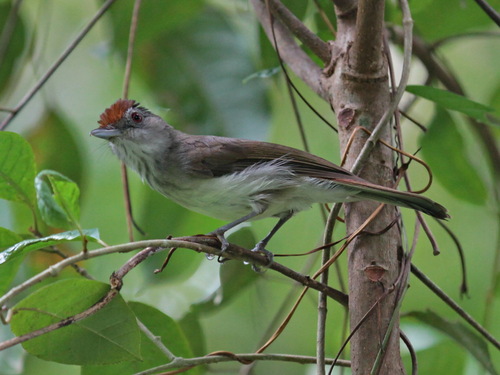
Sooty-capped Babbler (Malacopteron affine) Sooty-capped Babbler
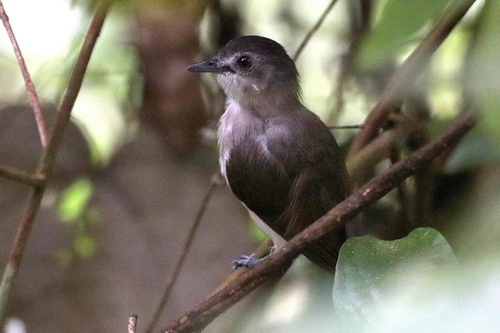
Rufous-crowned Babbler (Malacopteron magnum) Rufous-crowned Babbler

Media

Loading…

In short

The Sooty-capped Babbler and Rufous-crowned Babbler are similar in structure but differ in plumage and vocalizations. The Sooty-capped Babbler has a distinctive sooty cap, while the Rufous-crowned Babbler features a rufous crown. Their calls also differ, aiding in identification.

Identification tips

  1. Look for the sooty cap on the Sooty-capped Babbler versus the rufous crown on the Rufous-crowned Babbler. 2. Listen for differences in calls: softer and more melodious for the Sooty-capped, harsher for the Rufous-crowned. 3. Observe habitat preferences if possible, as they may overlap but differ slightly in density preference.

Size

Both species are similar in size, typical of small babblers.

Plumage

The Sooty-capped Babbler has a sooty black cap, contrasting with its otherwise brownish body. In contrast, the Rufous-crowned Babbler displays a rufous crown, which is a key distinguishing feature.

Behaviour

Both species exhibit similar foraging behavior, often seen in small groups or pairs, moving through undergrowth.

Habitat

Both species inhabit lowland and foothill forests, but the Sooty-capped Babbler may prefer denser undergrowth.

Voice

The Sooty-capped Babbler's call is generally softer and more melodious compared to the harsher and more repetitive call of the Rufous-crowned Babbler.

Submit a better description

Use the same sections as the comparison. Your text is published immediately.

The Sooty-capped Babbler and Rufous-crowned Babbler are similar in structure but differ in plumage and vocalizations. The Sooty-capped Babbler has a distinctive sooty cap, while the Rufous-crowned Babbler features a rufous crown. Their calls also differ, aiding in identification.

  1. Look for the sooty cap on the Sooty-capped Babbler versus the rufous crown on the Rufous-crowned Babbler. 2. Listen for differences in calls: softer and more melodious for the Sooty-capped, harsher for the Rufous-crowned. 3. Observe habitat preferences if possible, as they may overlap but differ slightly in density preference.

Both species are similar in size, typical of small babblers.

The Sooty-capped Babbler has a sooty black cap, contrasting with its otherwise brownish body. In contrast, the Rufous-crowned Babbler displays a rufous crown, which is a key distinguishing feature.

Both species exhibit similar foraging behavior, often seen in small groups or pairs, moving through undergrowth.

Both species inhabit lowland and foothill forests, but the Sooty-capped Babbler may prefer denser undergrowth.

The Sooty-capped Babbler's call is generally softer and more melodious compared to the harsher and more repetitive call of the Rufous-crowned Babbler.

Discard your changes?

You have unsaved edits. If you leave now, those changes will be lost.

Sooty-capped Babbler · Rufous-crowned Babbler · My Tricky Birds